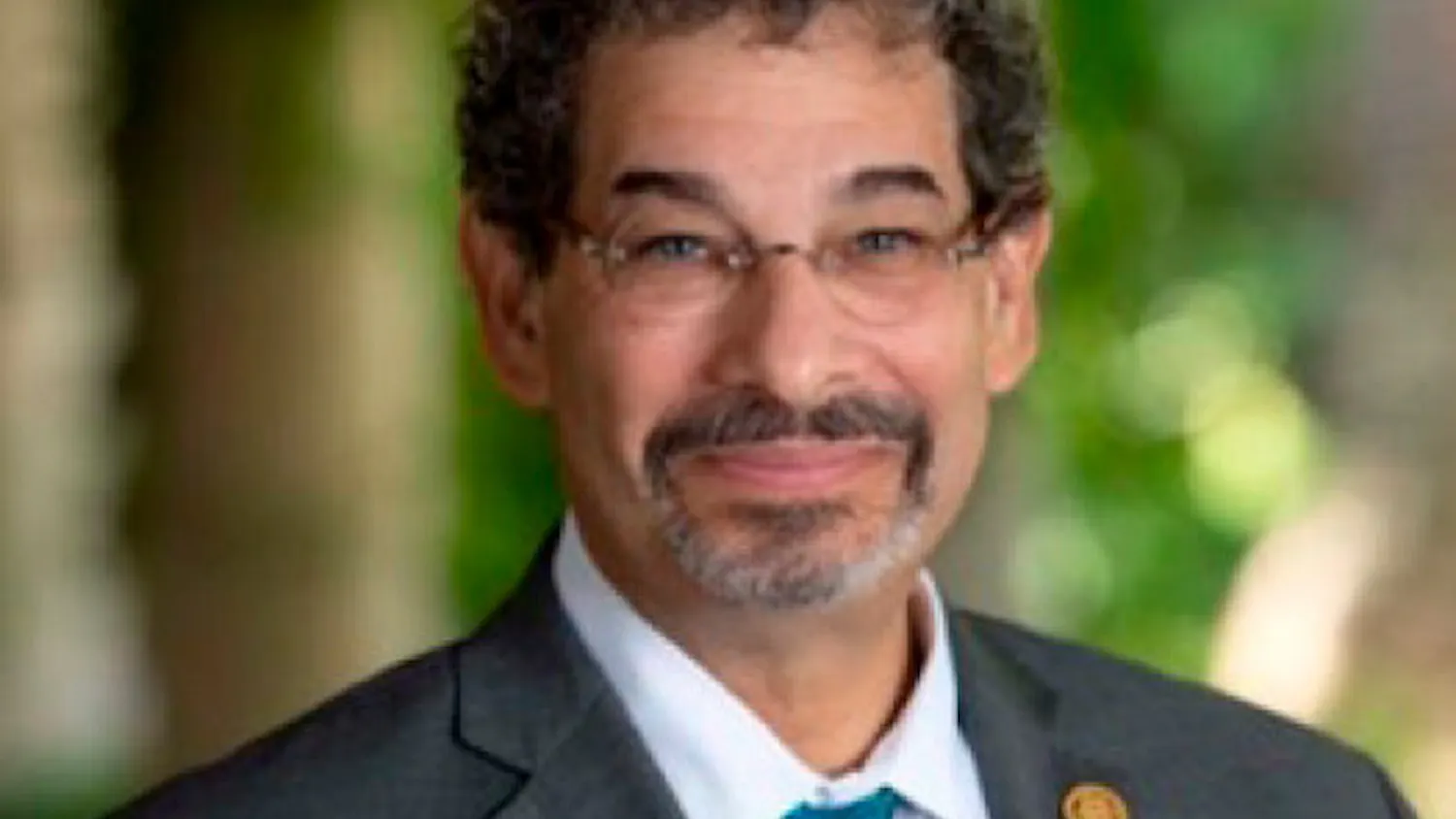
University of New Mexico Associate Professor of Sociology Jessica Goodkind spearheaded the Refugee Well-being Project (RWP) here on campus in 2006, and it has since blossomed into a program that benefits all parties involved.
Goodkind said by enrolling in her Health and Social Inequalities two-semester course, student volunteers can work directly with refugee families while other volunteers assist with different aspects of the project.
When students volunteer for RWP, they must commit to nine months of work, she said, and after two and a half months in class, students are paired with refugee families from November through May. After this pairing they focus on learning and advocacy, as students help guide them through acclimating to their new lifestyles.
Every week, UNM students meet with refugees during two-hour “Learning Circle” meetings, sharing information on cultures, values and experiences, she said. During these meetings, volunteers assist their refugee partners by practicing English, filling out job applications, assisting children with their homework and more.
Outside of the Learning Circle, students spend four to six hours with refugees helping them reach their goals and needs by mobilizing community resources, Goodkind said. Employment, housing, health and education are some of the many topics the groups might touch upon, based on the family’s necessities.
Goodkind called RWP: “A community-based participatory research project designed to better understand resettlement stressors, prevent psychological distress and promote mental health, well-being and integration of refugees in the United States.”
Goodkind said she started the program after working for two years at a refugee camp during the 1990s in Thailand, where she helped refugees resettle in the United States.
“When I returned, I visited many of the families who were now here in the U.S., and I saw that most were very isolated — they didn’t have the opportunity to interact with Americans very often, they weren’t welcomed here by Americans. Their cultures, knowledge and skills weren’t valued, and they had many difficulties accessing resources that they needed to start their new lives,” she said. “I saw that these issues were causing great stress for refugees and negatively impacting their mental health, and I knew that we could and should do better for the refugees who are resettling here.”
She said that the program partners with refugees from around the world, including Afghanistan, Iraq, Syria and the Great Lakes Region of Africa. Many have experienced war, displacement, the loss of loved ones and other painful events.
Salah Al Naser, a refugee from Iraq, said a translator through RWP has helped him, his three children and his wife in introducing them to American culture and generally making their transition much easier.
Naser said his time with the volunteers was “an exchange of knowledge,” because both groups simultaneously learned from the other.
“Whenever we need something, we know we can rely on them,” he said.
Get content from The Daily Lobo delivered to your inbox
Goodkind said she hopes the program will result in refugees feeling safe in the United States, and that more Americans will grow to understand refugees’ experiences and welcome them.
She also said she has noticed a change in her students’ mindsets after being a part of RWP, including their ability to recognize the perseverance of the refugees, their own privileges, the commonalities they share with their refugee partners and the injustice of society and the world.
“Refugees are resilient — they are people who have survived many challenges and who bring with them many strengths,” Goodkind said. “It’s important that we recognize these strengths and build upon them, both for the benefit of refugees and for other Americans.”
Elizabeth Sanchez is a staff reporter for the Daily Lobo. She can be reached at news@dailylobo.com or on Twitter @dailylobo.