

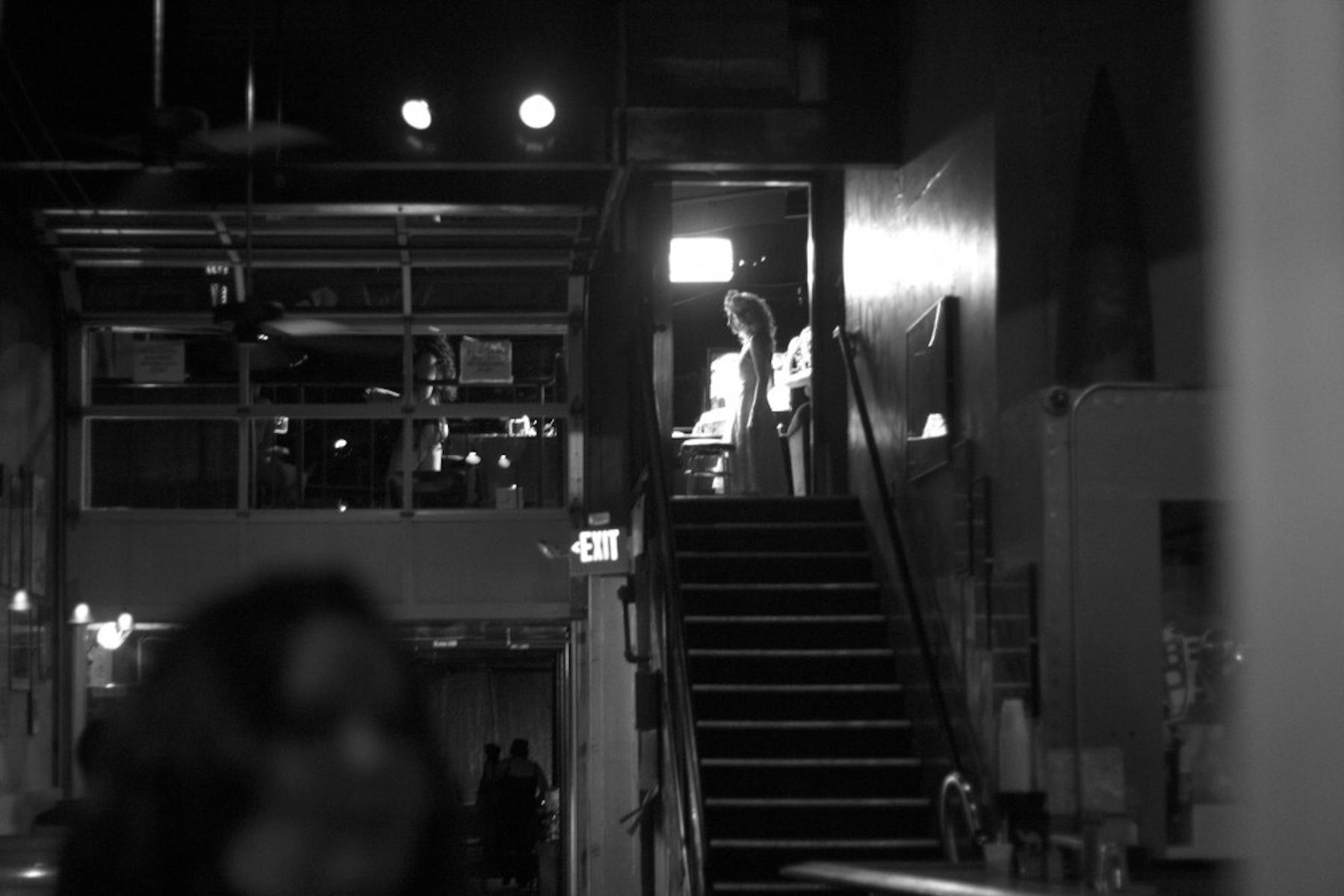
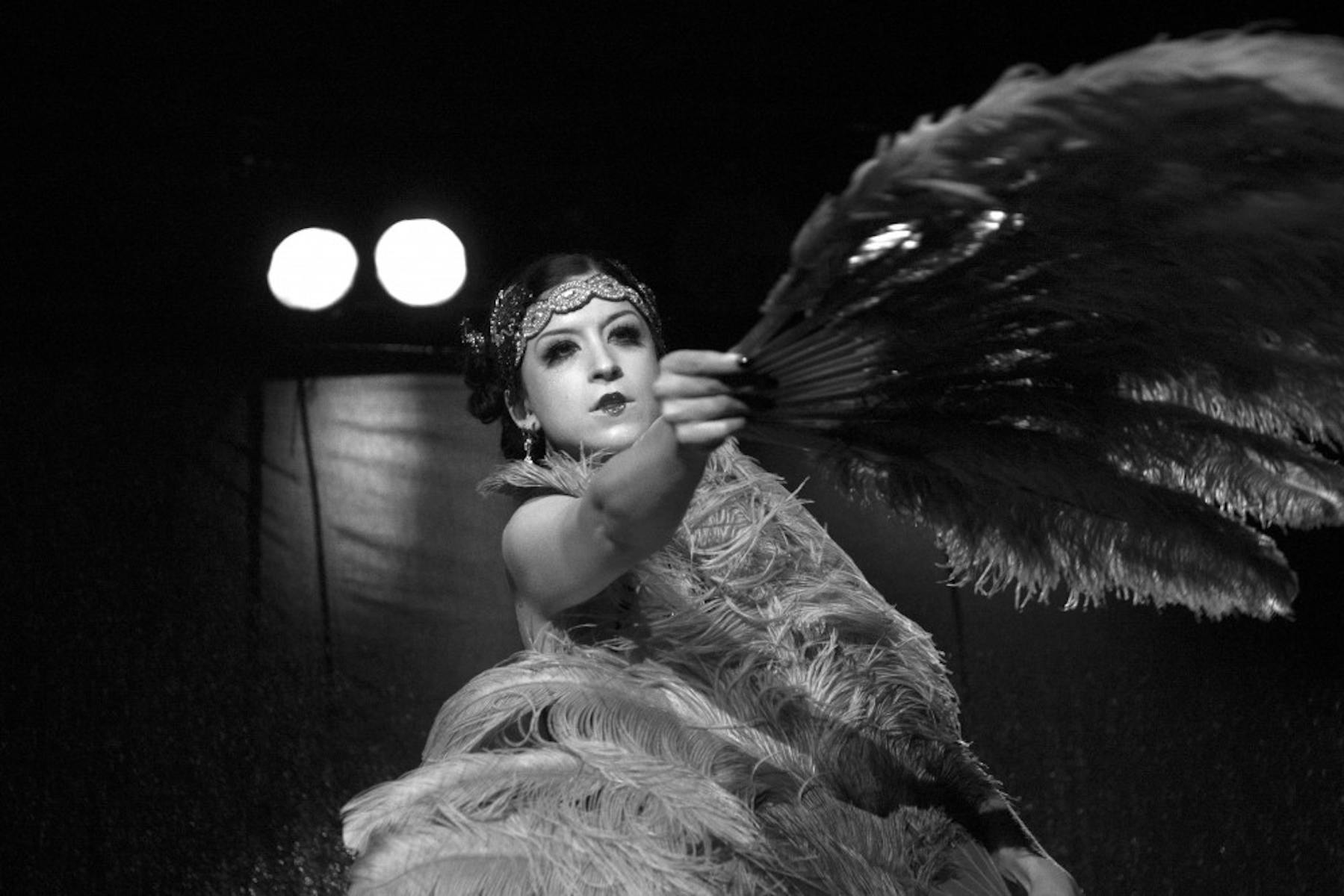
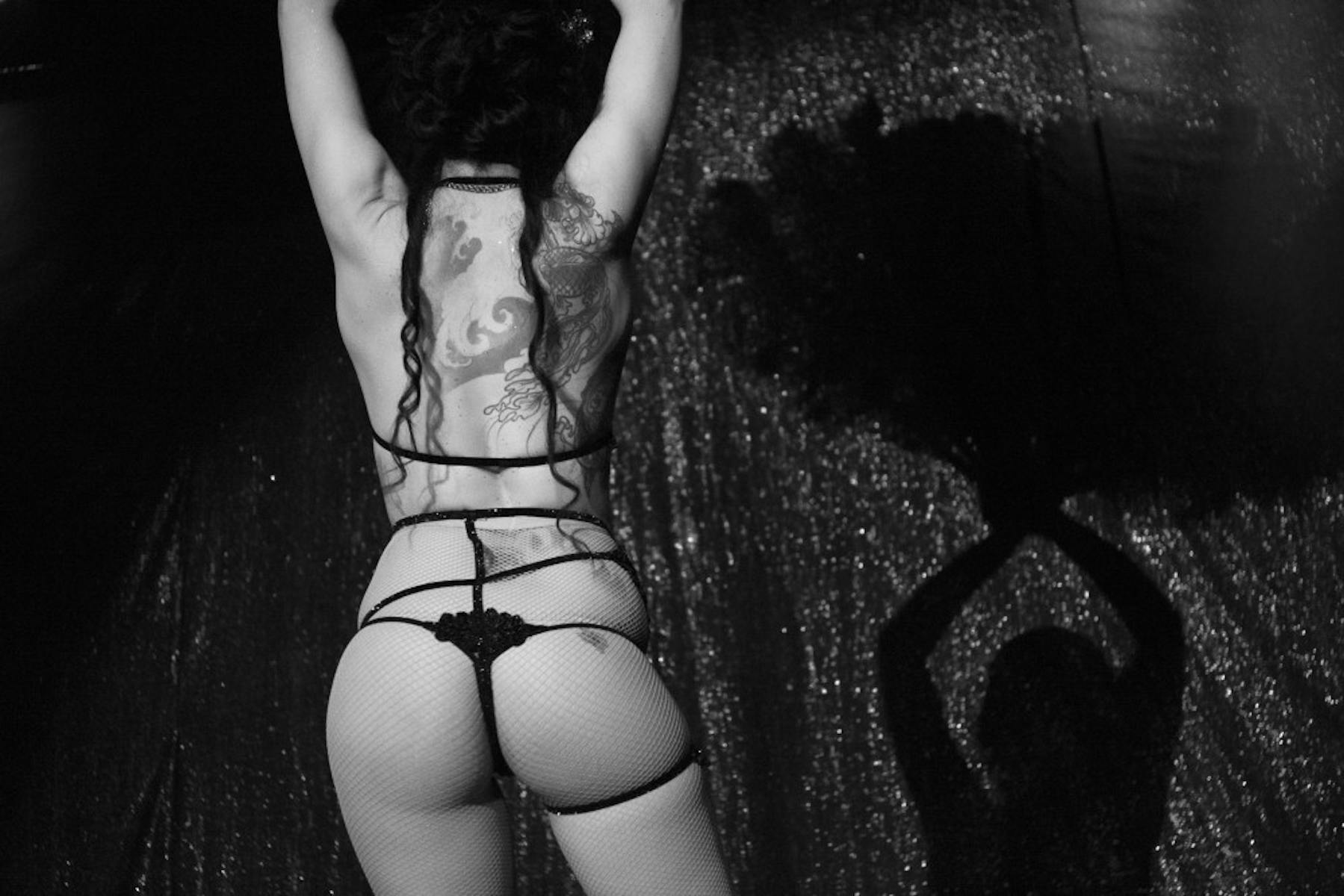
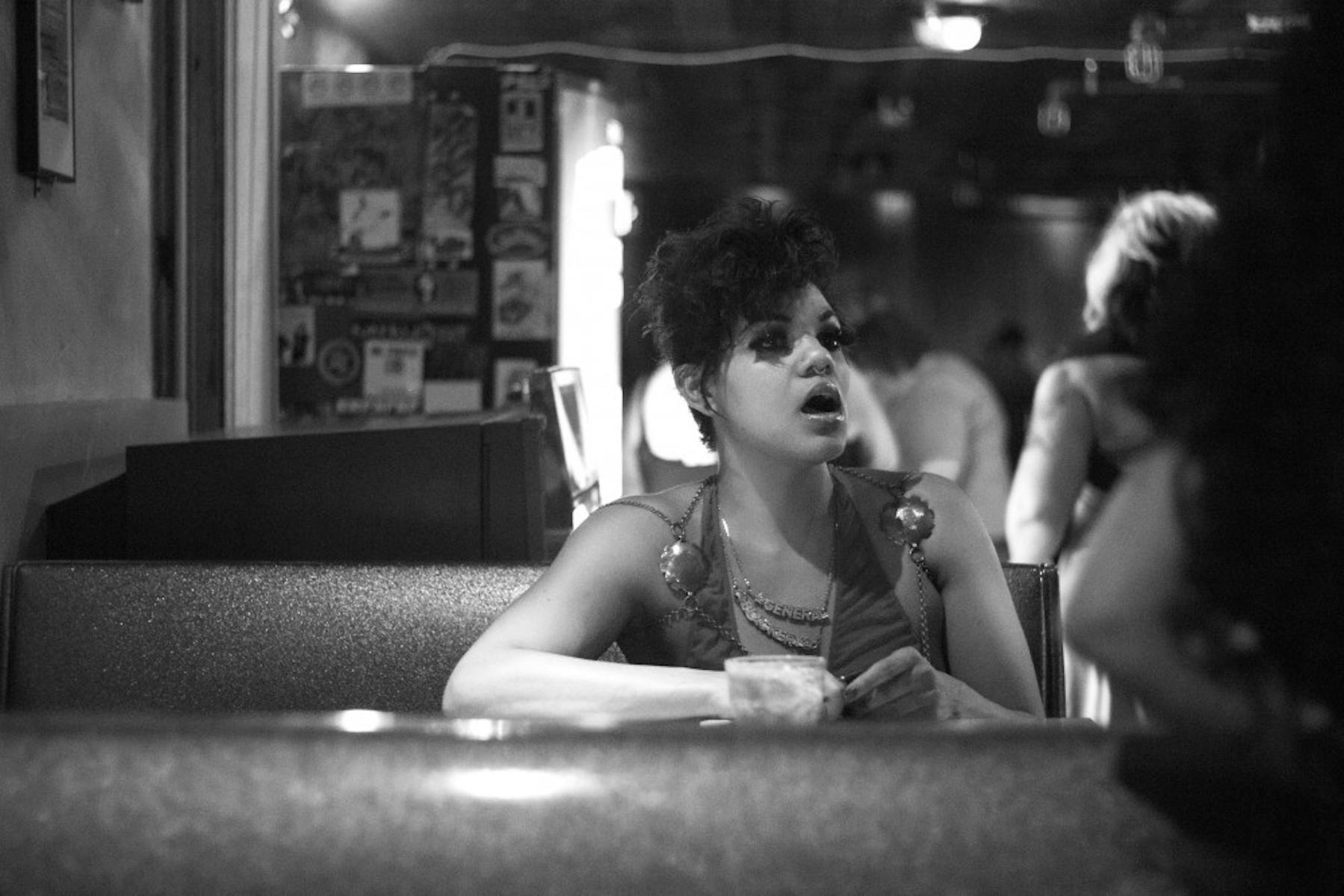

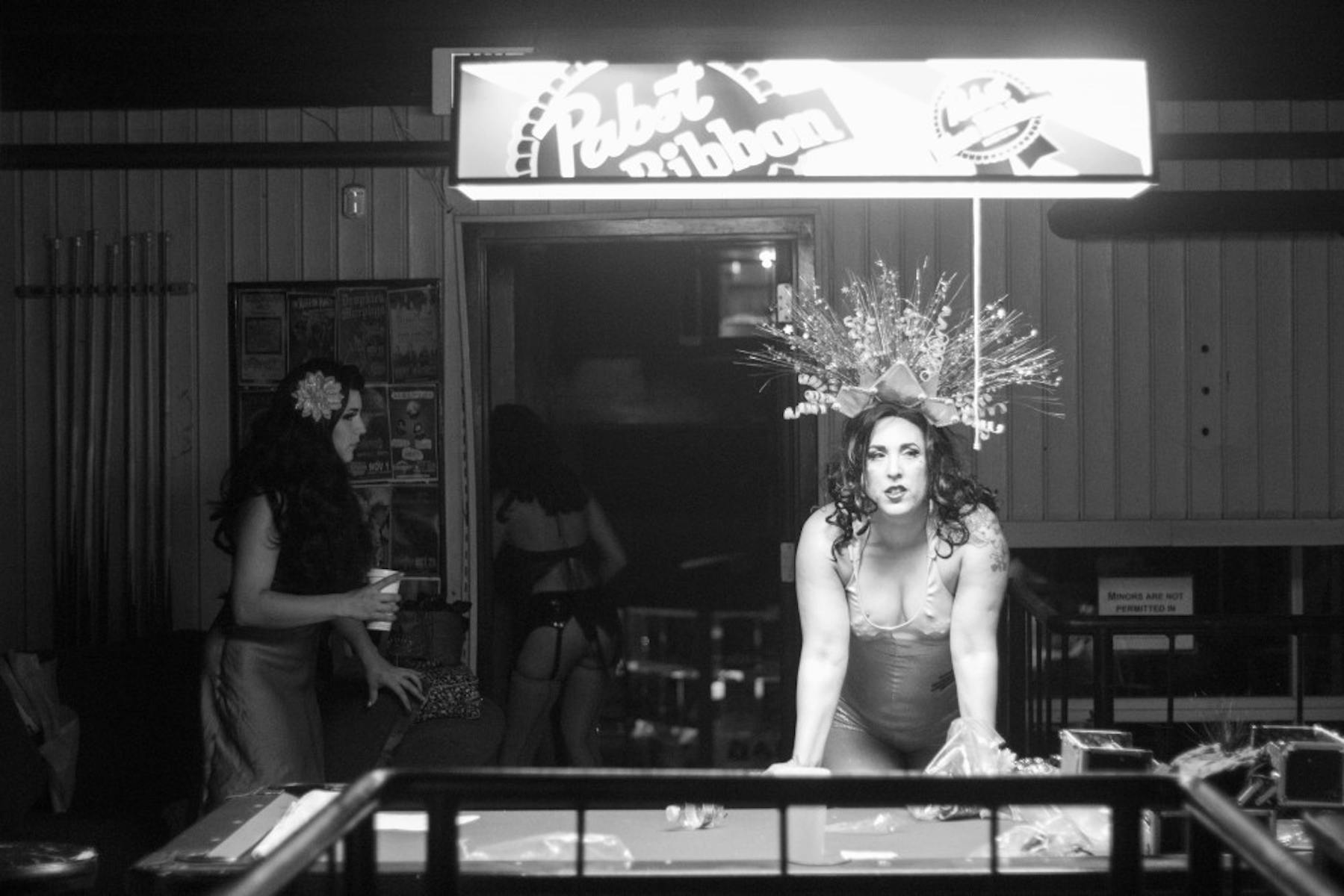
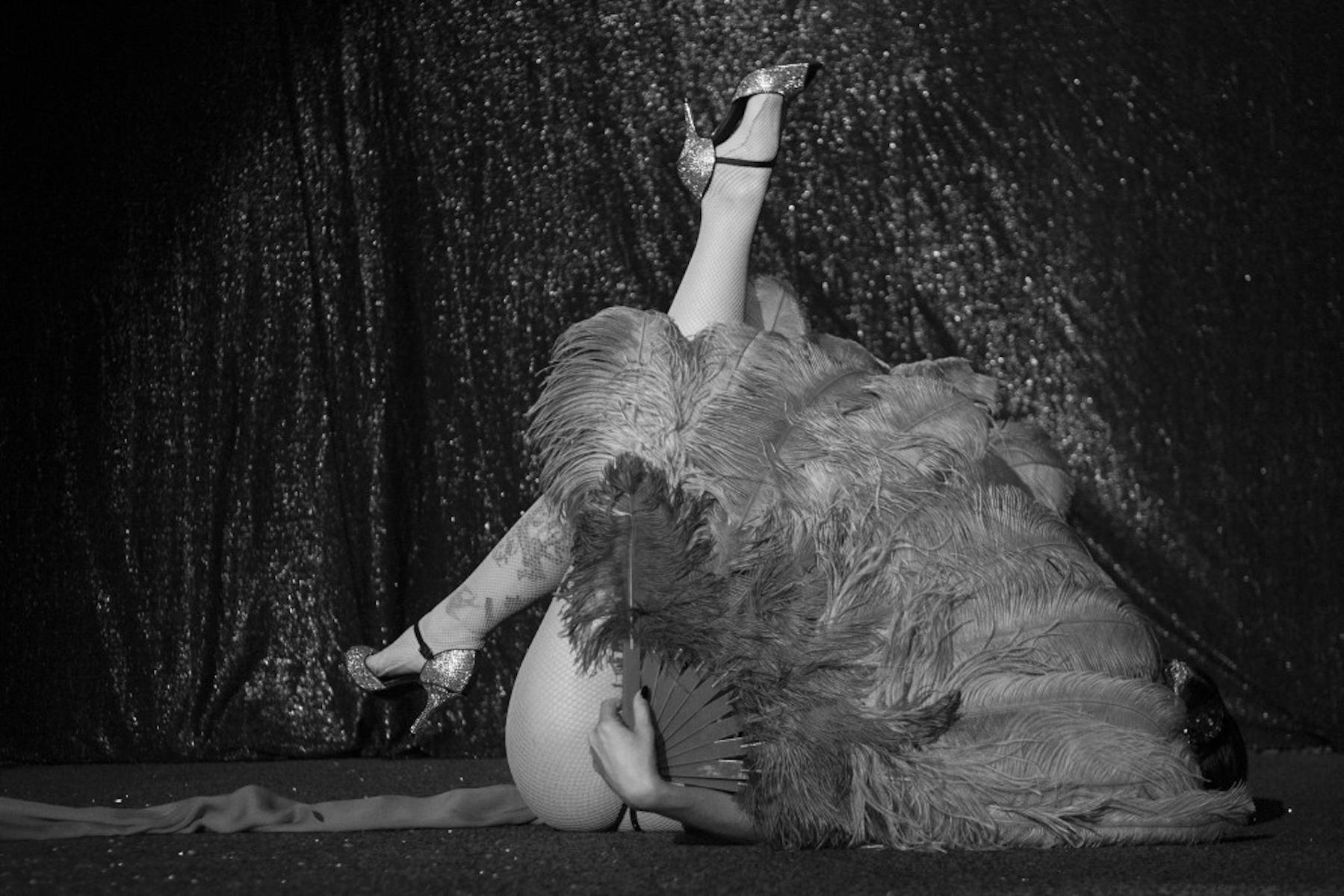
Burlesque Noir has been “berlesking bad” since its founding by Holly Rebelle in 2005. Rebelle discovered early on as a solo performer that performing burlesque allowed her to fully express herself artistically and was so exhilarating; it gave her “glitter hangovers” for days after being on stage. Knowing that art history extensively celebrates the female form, she wanted to be a part of this artistic body expression movement. The desire to share this experience with a group of women gave rise to the creation of her very own burlesque troupe.
“[Burlesque] has been a deep exploration of identity for me,” Rebelle said. “One of the things I am most proud of is creating an open space for women to creatively express themselves using their bodies.”
Rebelle said she enjoys the journey of creation that goes into burlesque and knows there truly is artistry in its performance.
“I have seen burlesque open up discussions that are often only discussed within the academic sphere such as cultural appropriation, feminism, racism, ageism, critique on capitalism, the problems of the patriarchy, violence, privilege, body shaming, slut shaming and power dynamics. I am so thankful to be part of a community where this dialogue is ongoing and is possible,” Rebelle said.
Nudity during any burlesque show is the controversial part of the art form. Rebelle said she is familiar with the stigma and believes the continued shaming and hiding of the naked body, especially of women’s bodies, is what keeps some people from accepting burlesque as a true performance art.
“I think it is OK and normal, that once in a while, people are offended by art,” she said. “Art inspires us to talk about the difficult issues in society and can open a door to explore the world with different eyes and new perspectives.”
~ Photos by Sergio Jiménez
More

PHOTOSTORY: ABQ Bruja Fest features wicked creations, local artists
October 13Expo New Mexico hosted the ABQ Bruja Fest on October 10–11, featuring all things wicked and magical. This fest offers a space for Albuquerque community members to showcase witchcraft activities and gifts with a variety of vendors, workshops and performances. Some vendors offered palm and tarot readings. Others sold candles, incense, brooms, crocheted goods, jewelry, crystals, art and more. Trinity Ayers is a freelance photographer for the Daily Lobo. She can be reached at photo@dailylobo.com and on X @DailyLobo

PHOTO STORY: Casa Flamenca hosts Balloon Fiesta Tablao
October 12Casa Flamenca in Old Town provides a space for dancers to perform the traditional Spanish tablao, featuring a small stage in a cozy setting where dancers and musicians perform in the same space. During the performance, audience members gather near the stage to view the action up close. The Casa Flamenca Balloon Fiesta Tablao was held during Balloon Fiesta week, so while the balloons went up, the dancing shoes came out at Casa Flamenca. Alex Joe is a freelance videographer for the Daily Lobo. He can be reached at sports@dailylobo.com or on X @DailyLobo

Ice Wolves downed by Odessa Jackalopes
October 7On Sept. 11, the New Mexico Ice Wolves and the Odessa Jackalopes were set to face off in Albuquerque. Right before the game started, both teams were warming up to play, and there were hockey pucks being thrown all over the rink. After the warm up, both teams went back into the locker room, before coming back out a little later to see the colorguard and also hear the national anthem. There was also a moment of silence for victims of the 9/11 attacks in 2001. After the game began, there were players coming on and off of the bench all game. The Jackolopes started off with the lead, but the Ice Wolves quickly tied the game 1-1. While tied, New Mexico struggled to get another point for the rest of the game. Although the Ice Wolves put up a good fight, they ended up losing the game 3-1. Cayden Flores is a freelance photographer at the Daily Lobo. They can be reached at photo@dailylobo.com or on X @DailyLobo
