

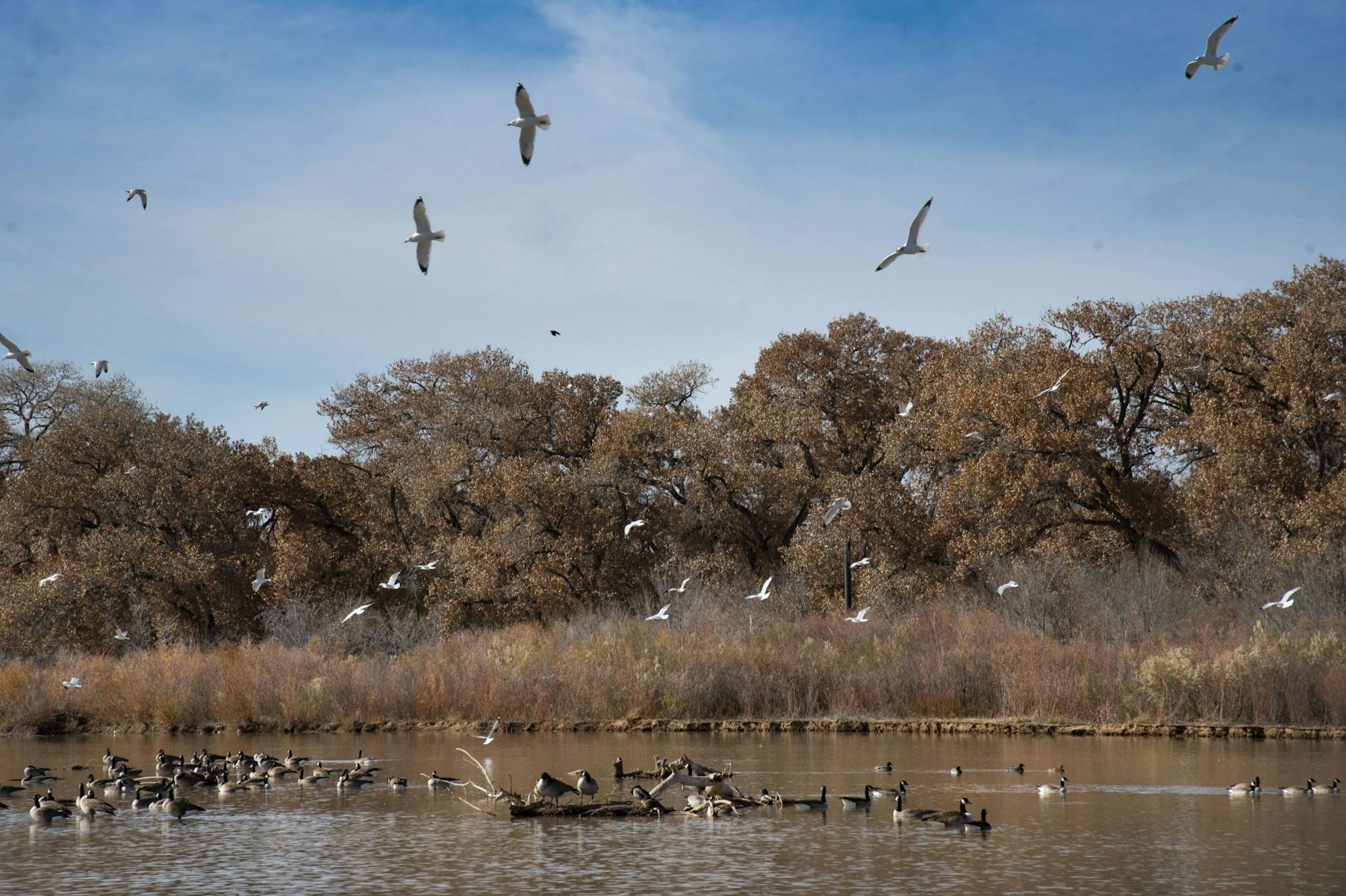
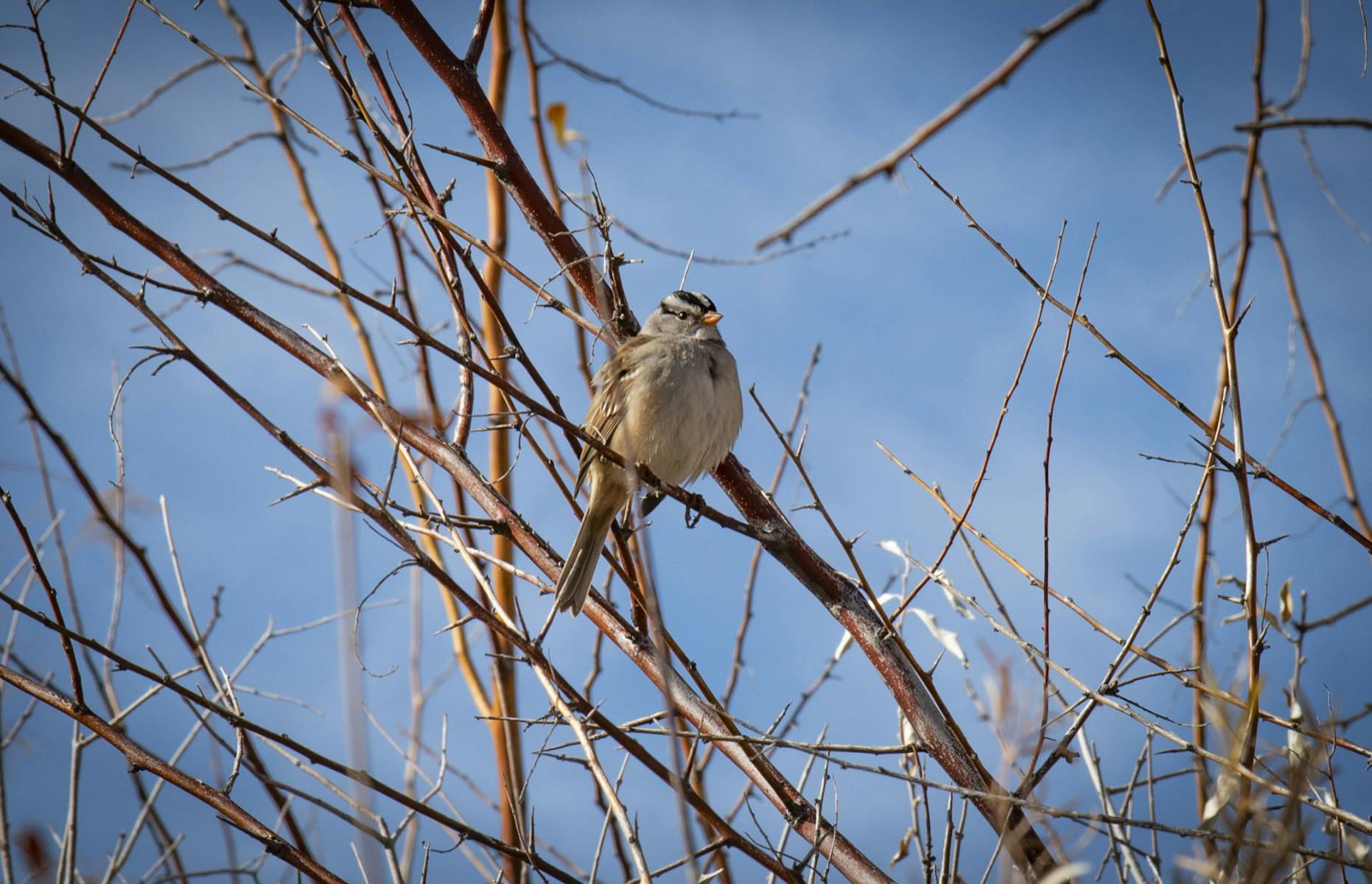
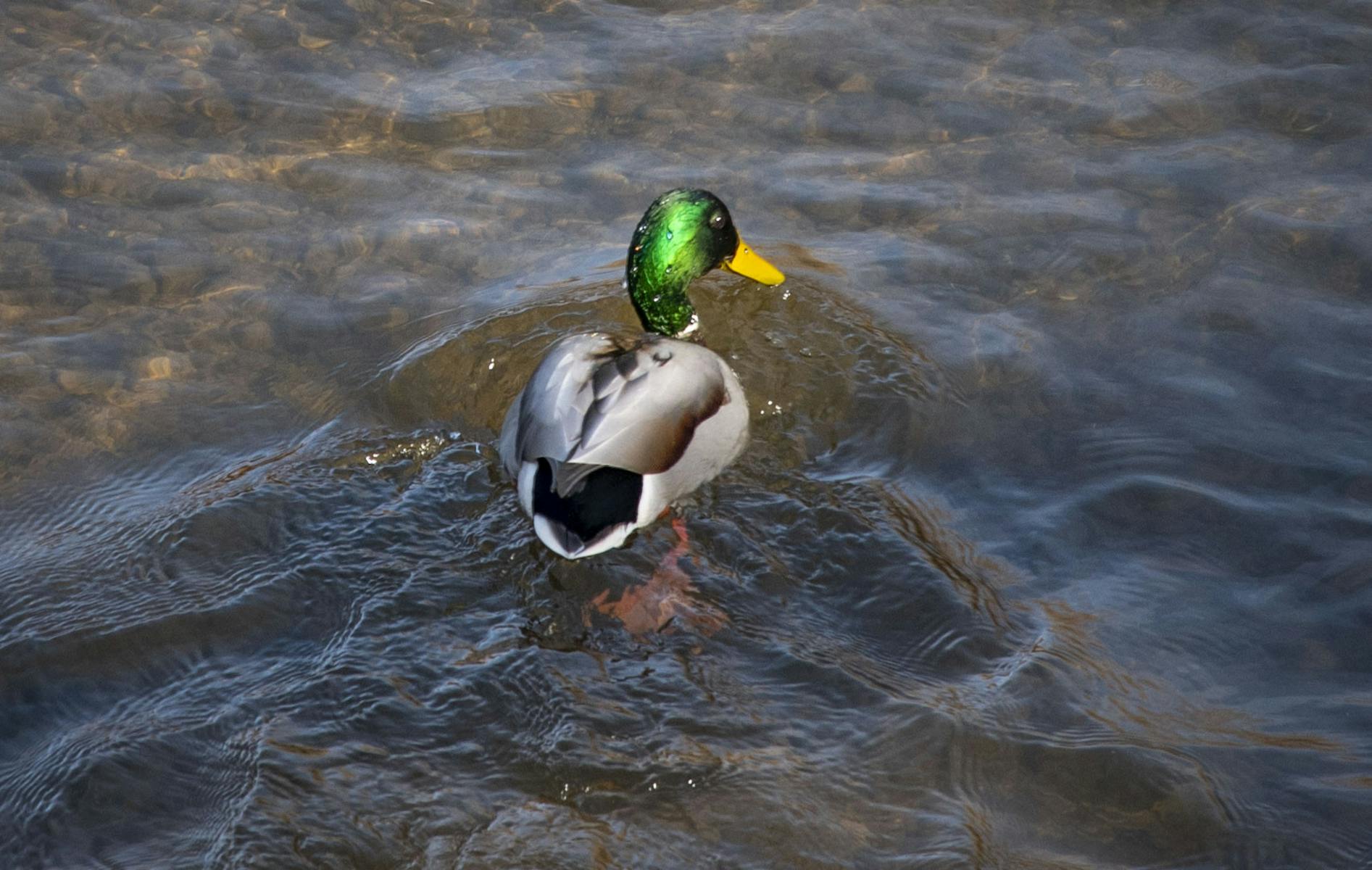
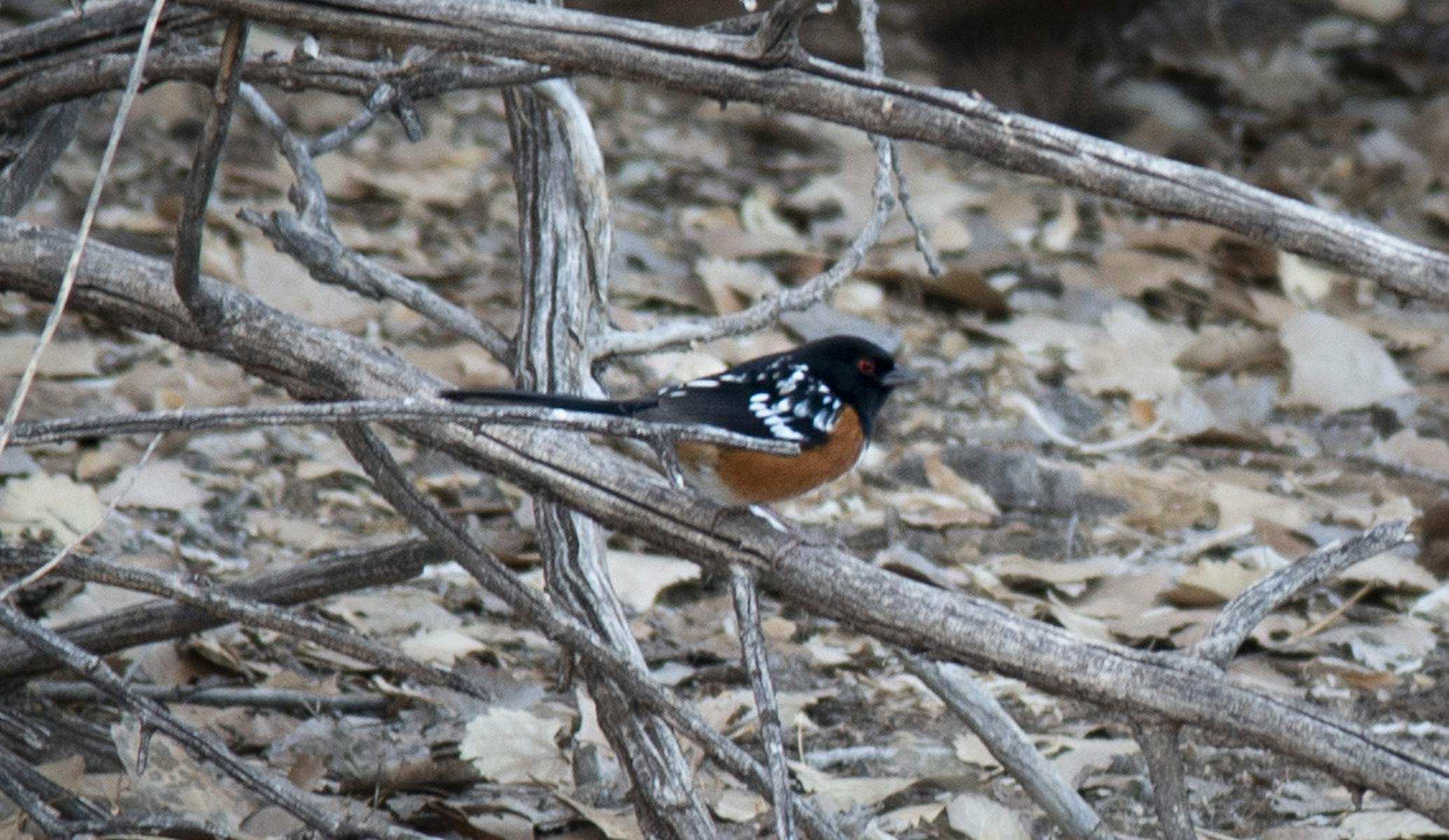
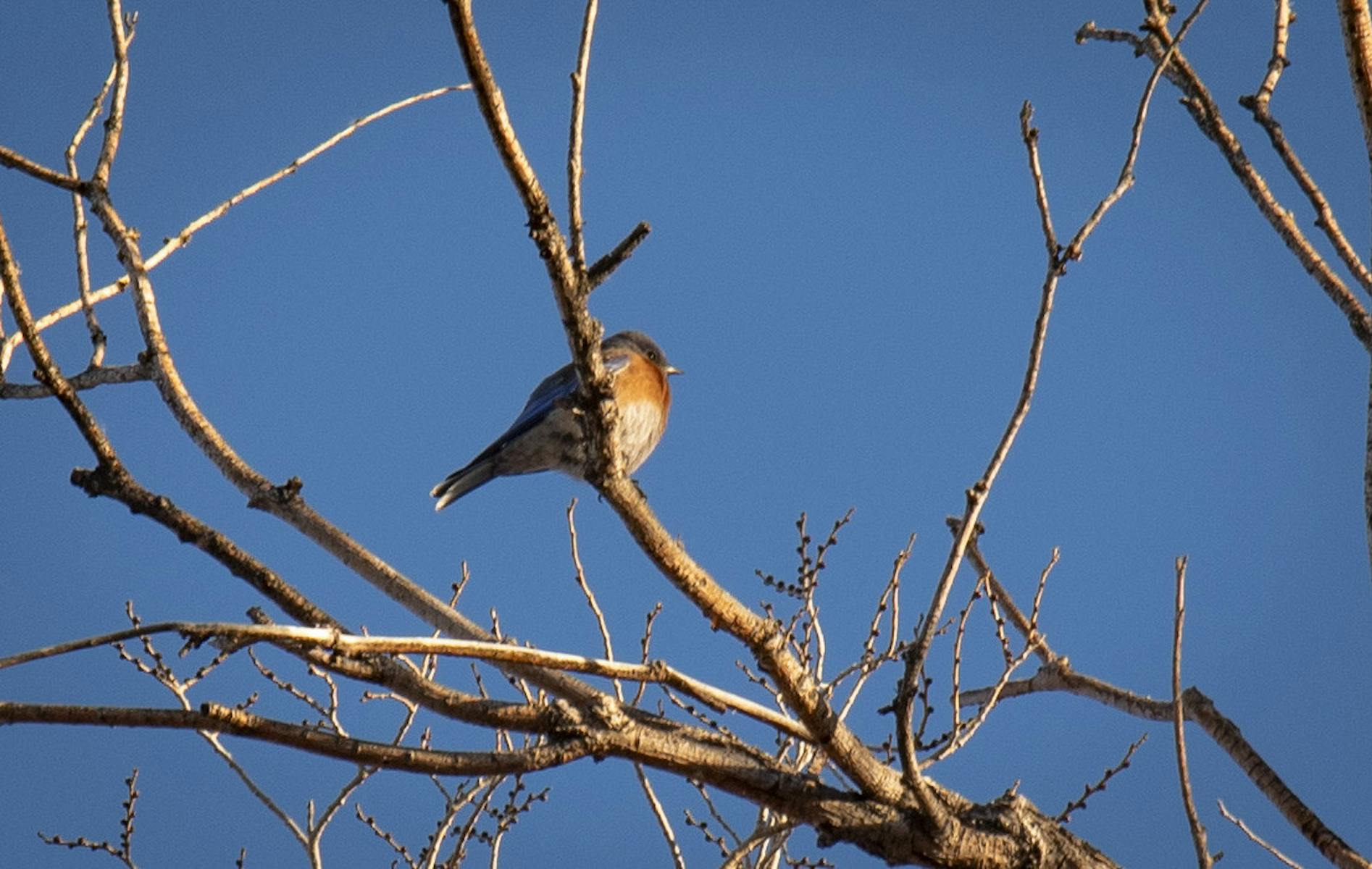
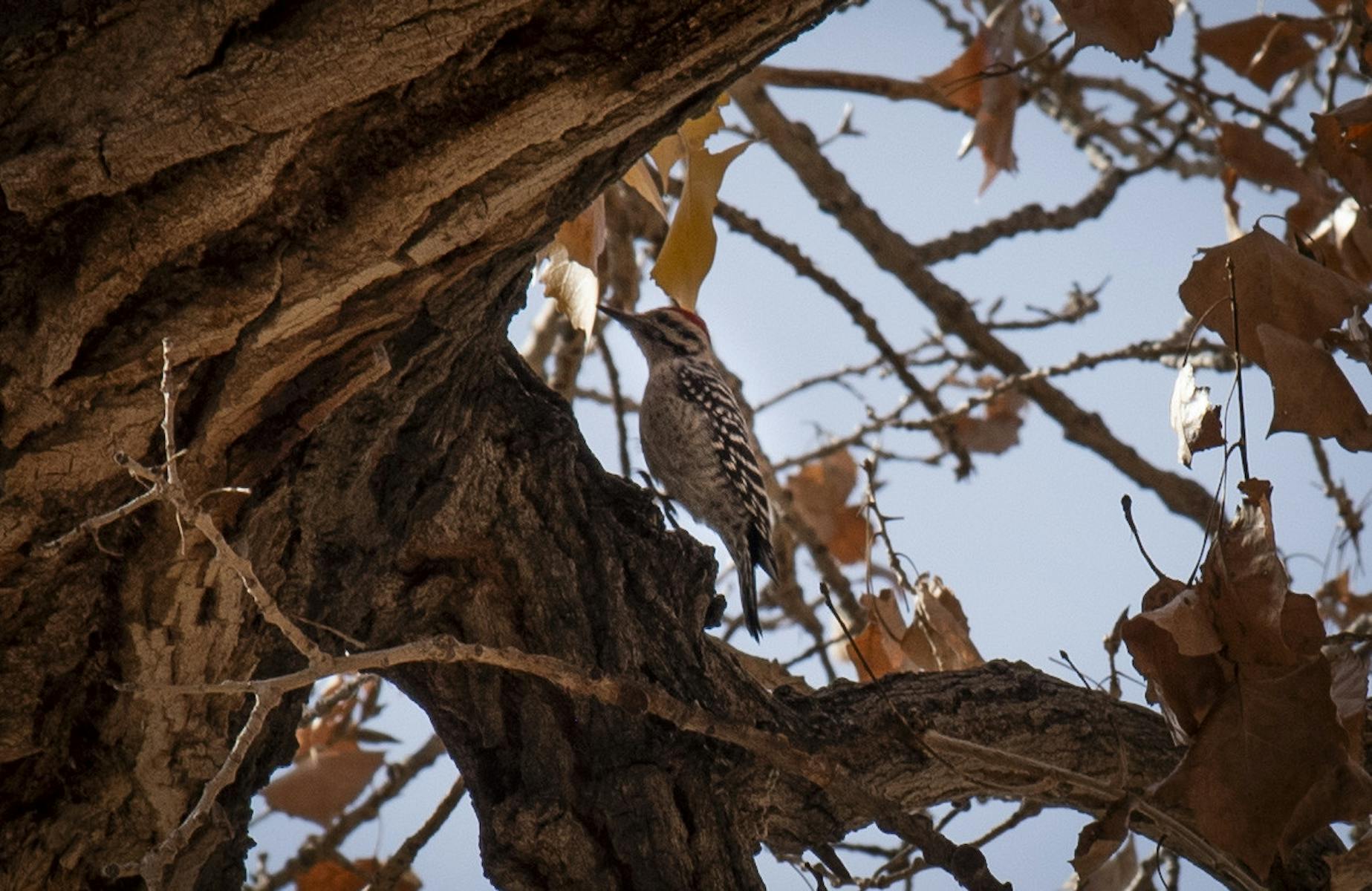
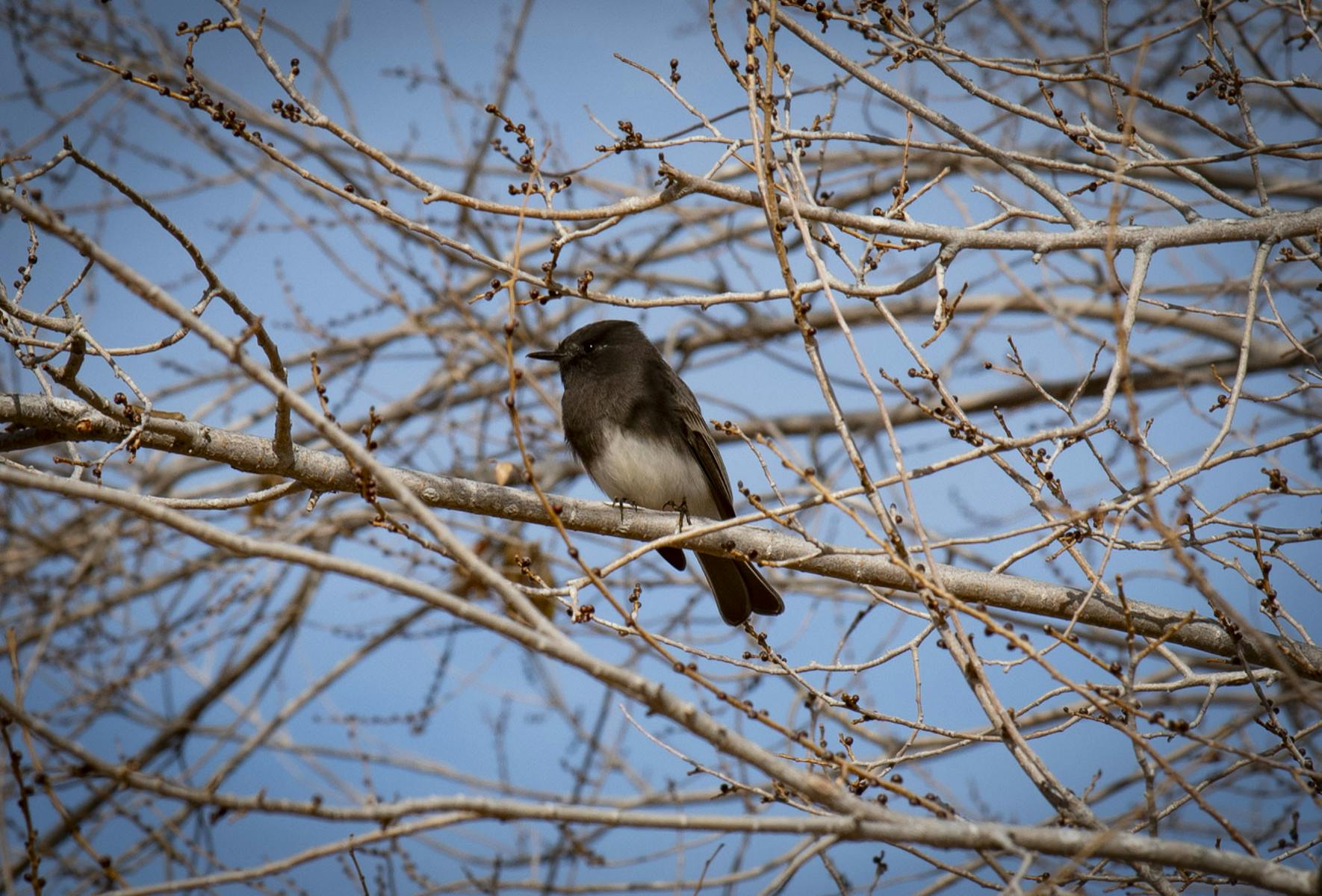
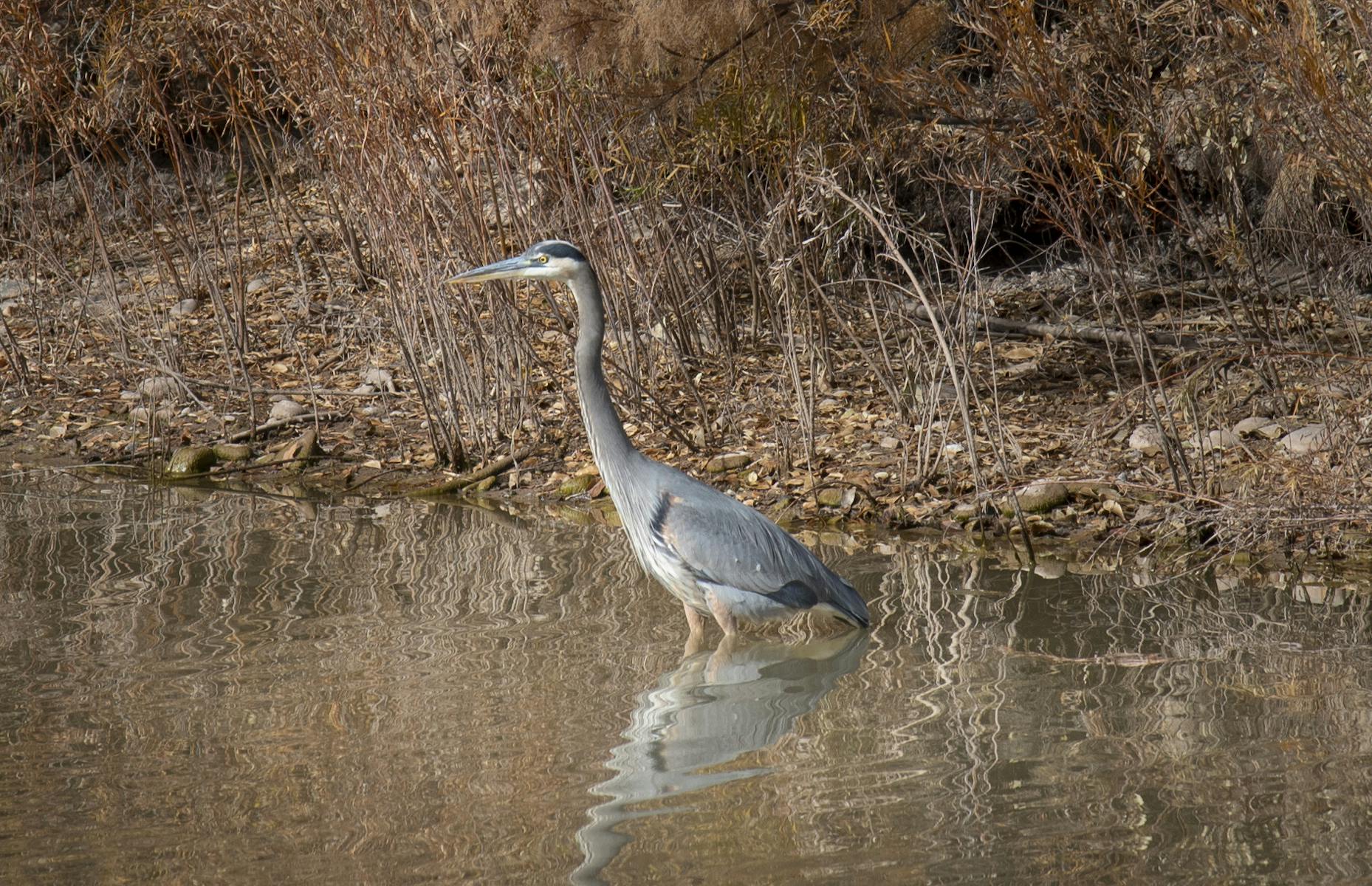
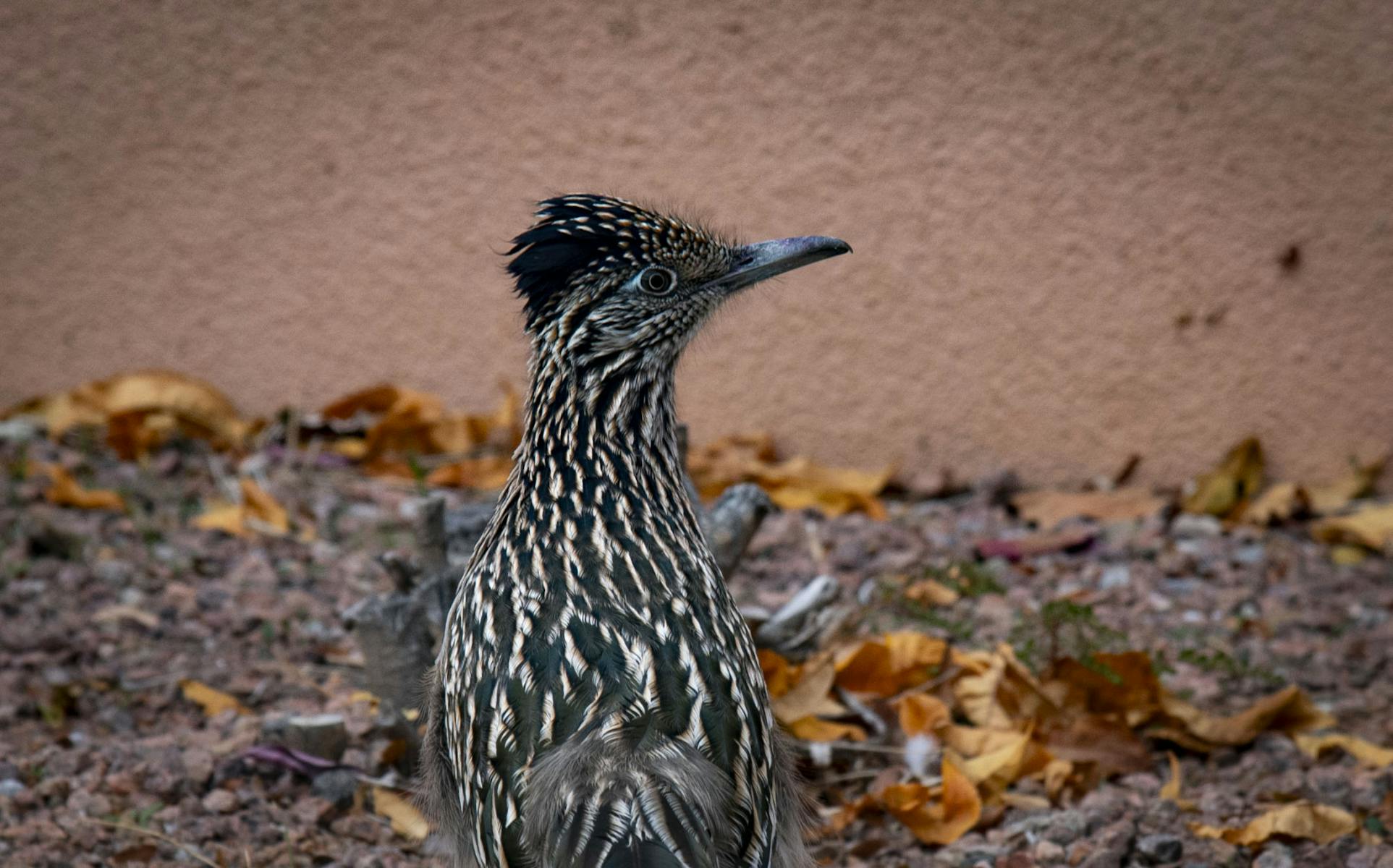
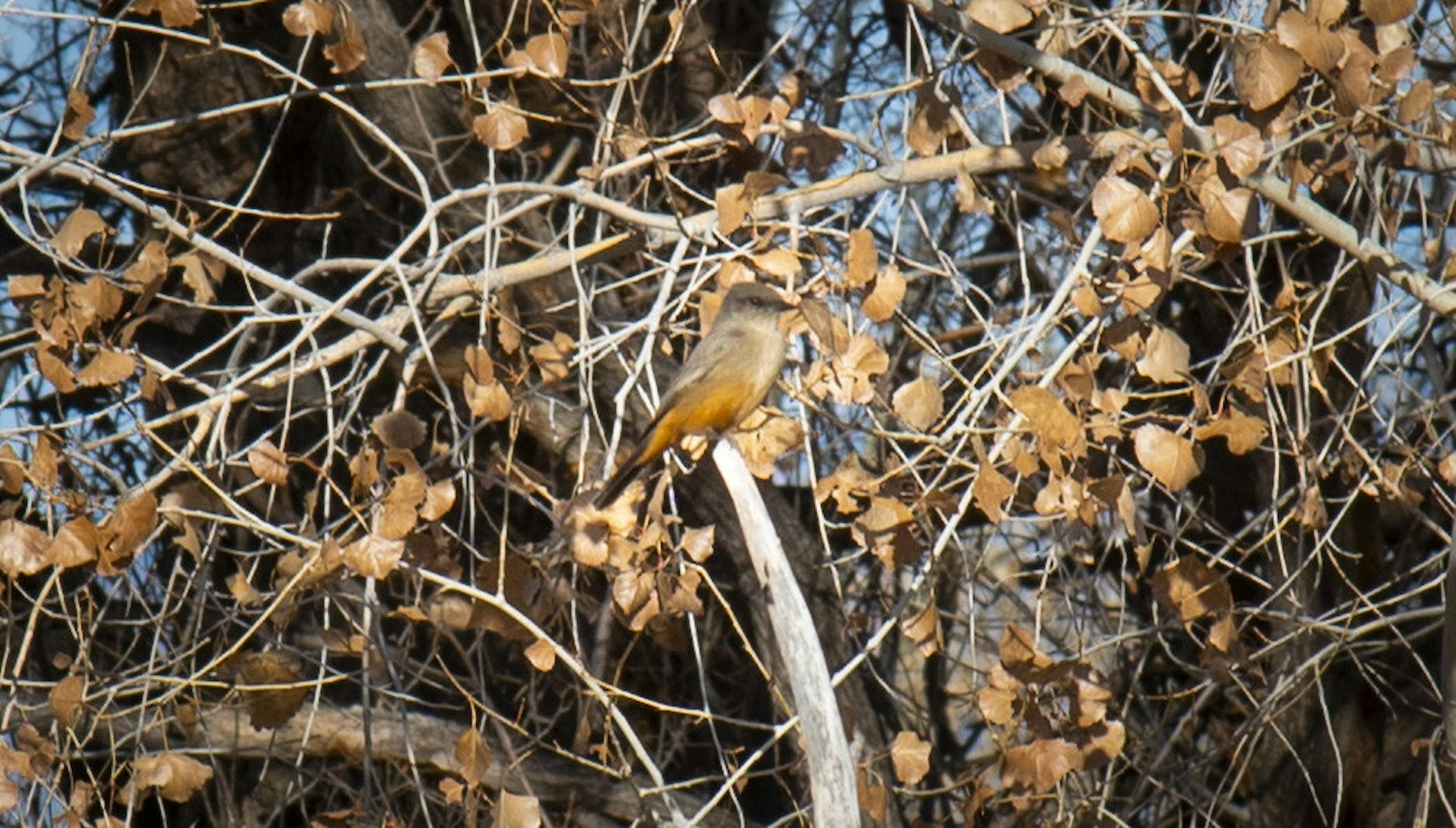
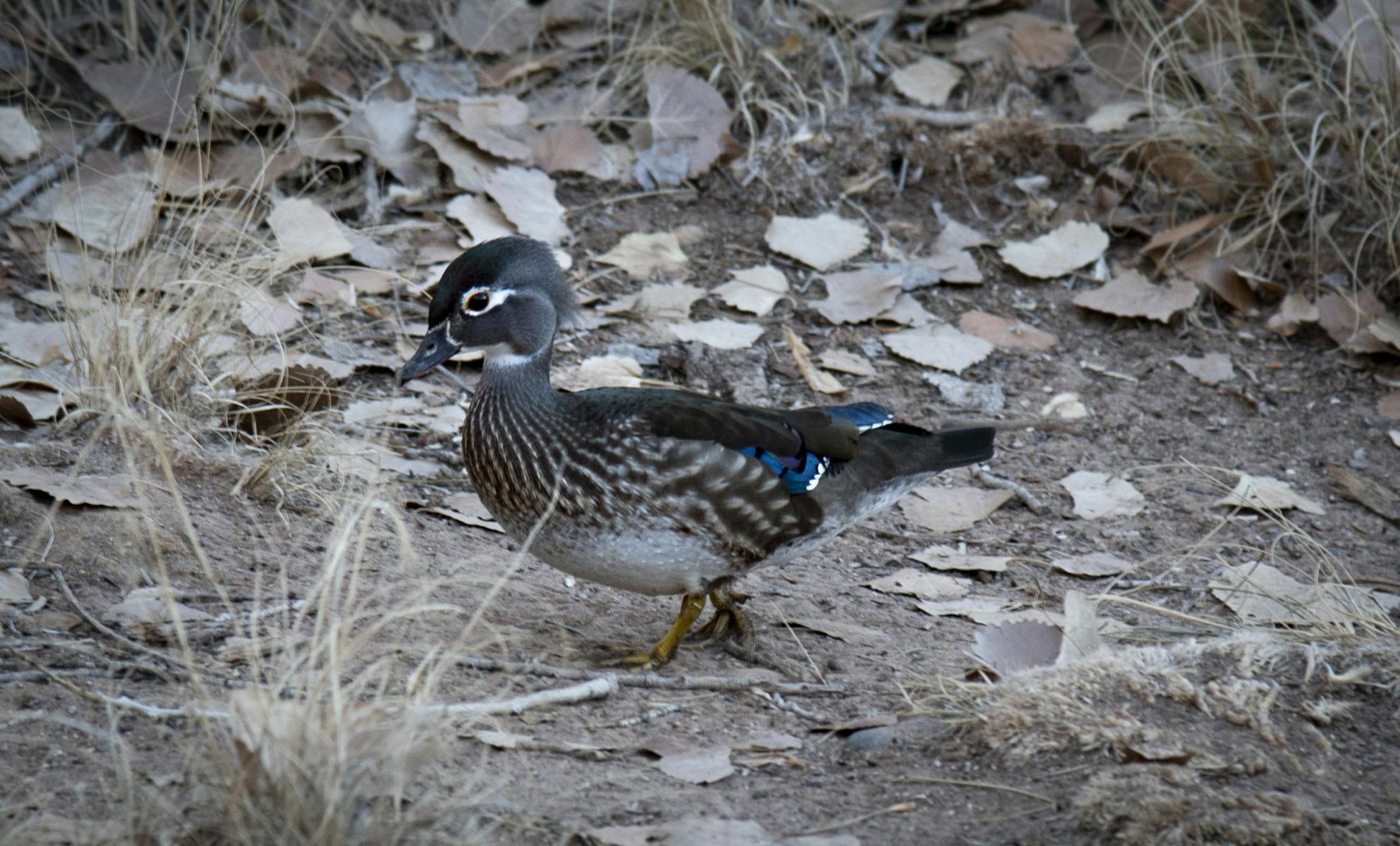
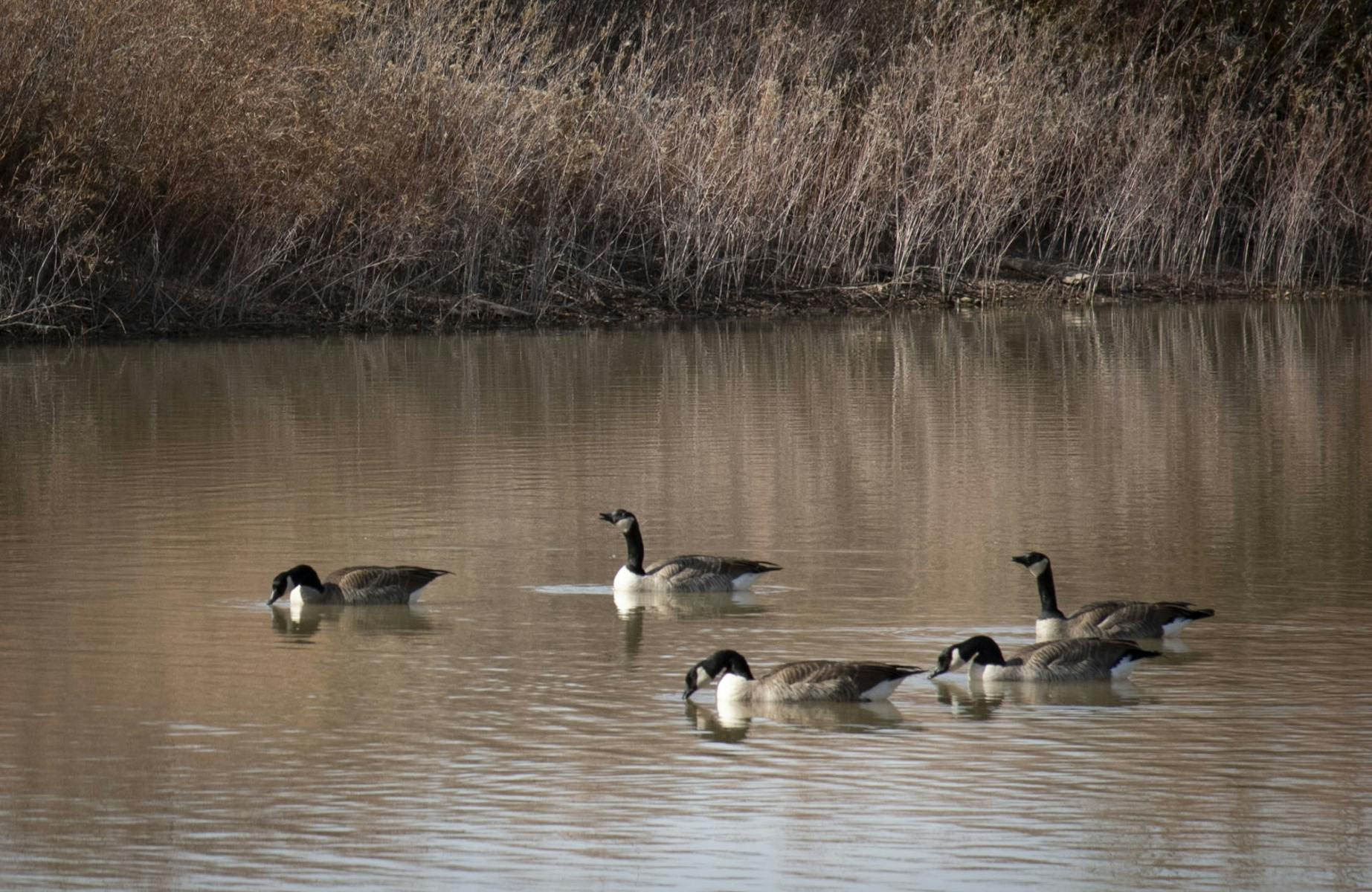
Albuquerque offers a wide range of bird habitat over a relatively small space. The Bosque ecosystem is home to riparian species, while the city provides habitat for more adaptive urban birds, and the Sandia Mountains provide a home to higher elevation species.
Hundreds of resident and migratory birds settle in Albuquerque, according to the City of Albuquerque website.
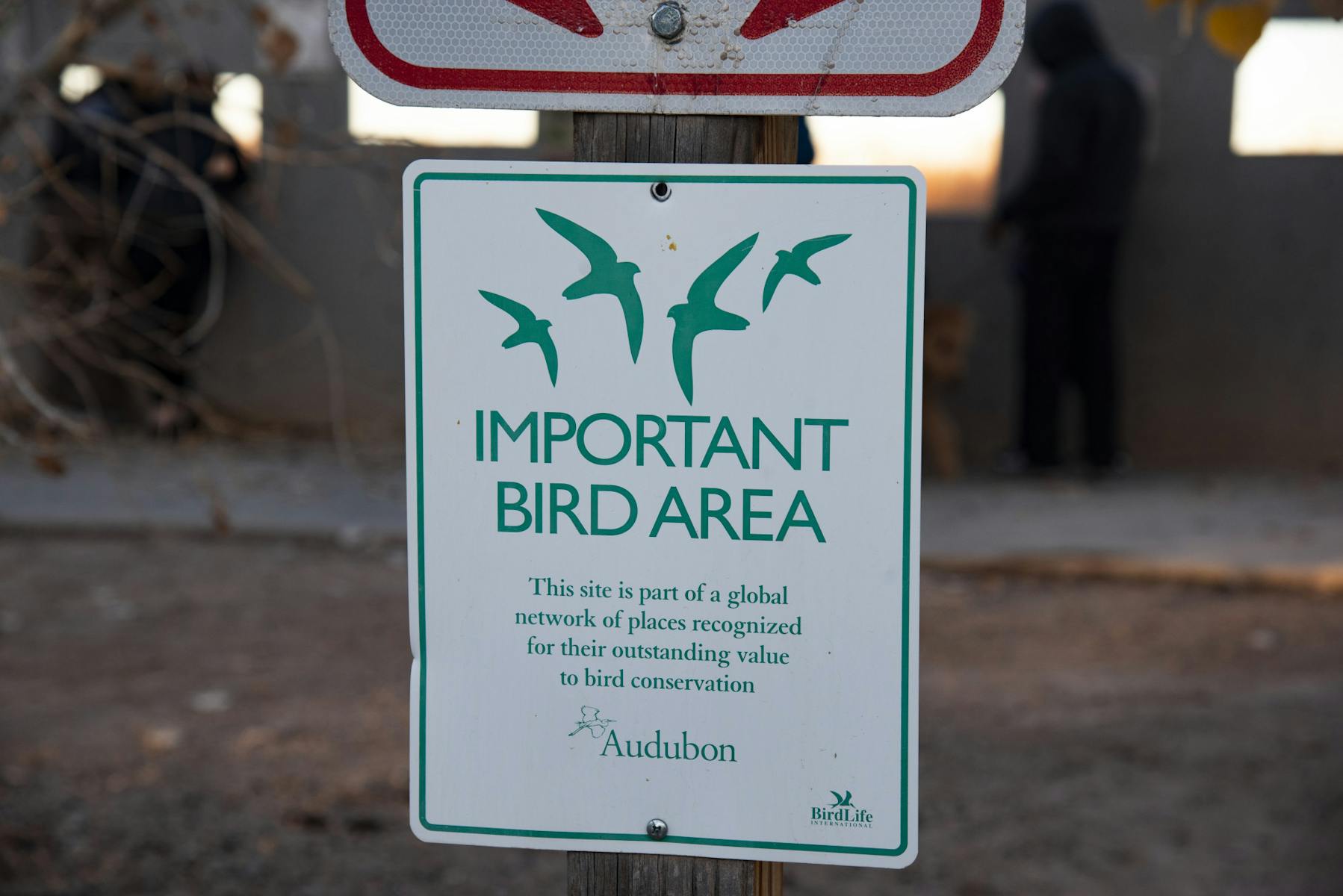
Albuquerque is one of 31 Urban Bird Treaty cities across the United States. UBT cities partner with the U.S. Fish and Wildlife Service to conserve birds and bird habitat, as well as provide educational and recreational opportunities in urban areas, according to the FWS website.
The FWS highlights the Valle de Oro National Wildlife Refuge as one of Albuquerque’s successes in bird conservation.
The refuge is considered to be one of the “most ambitious urban conservation projects in the nation,” according to the FWS.
In addition to Valle de Oro, birds can choose from many open spaces in Albuquerque that provide habitat, including the Bachechi Open Space, Rio Grande Nature Center State Park and even the University of New Mexico’s campus.
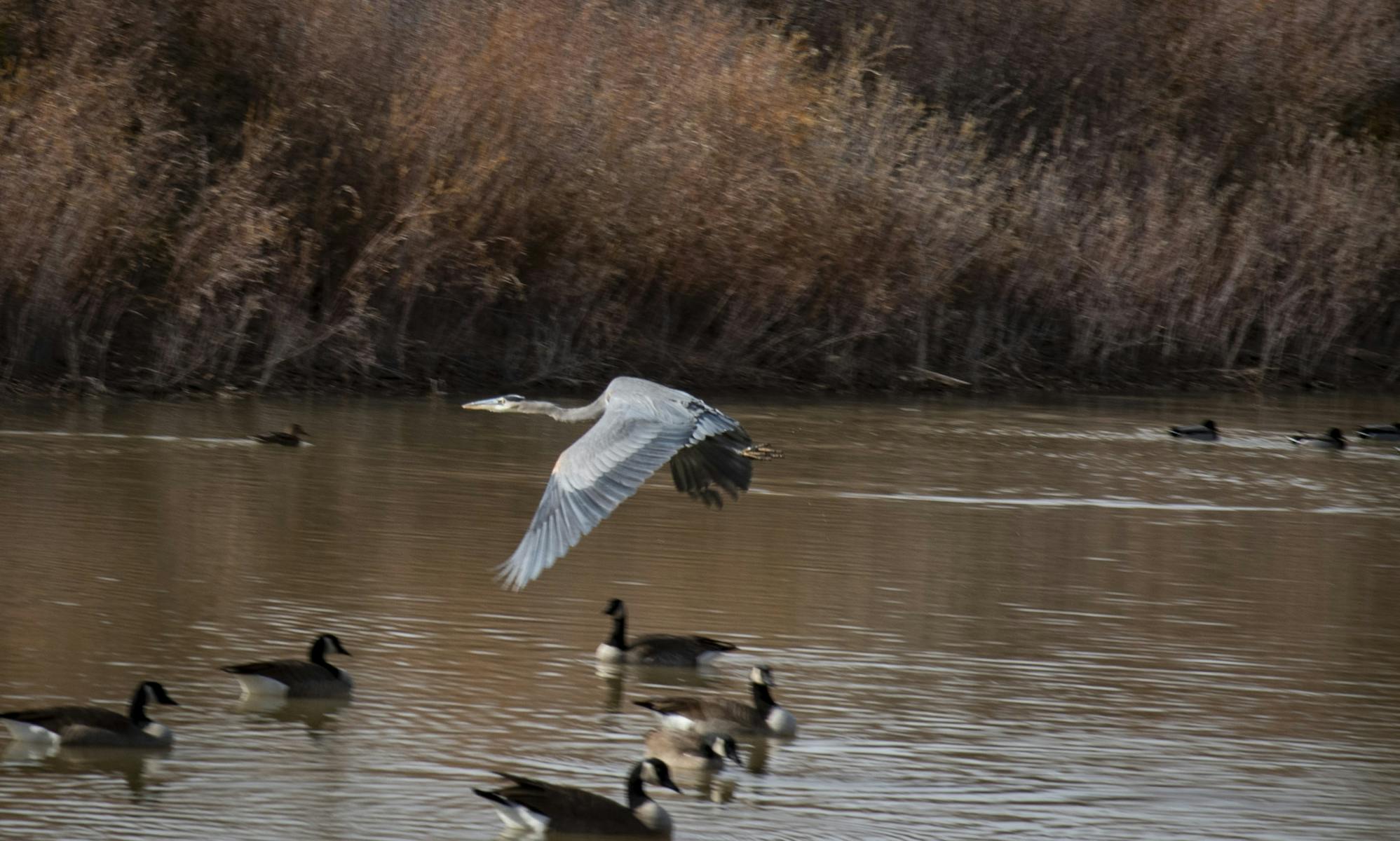
The Bachechi Open Space is one of 17 Bernalillo County Open Space properties, according to the Bernalillo County website. The space offers wetland habitat, which attracts geese, ducks and herons.
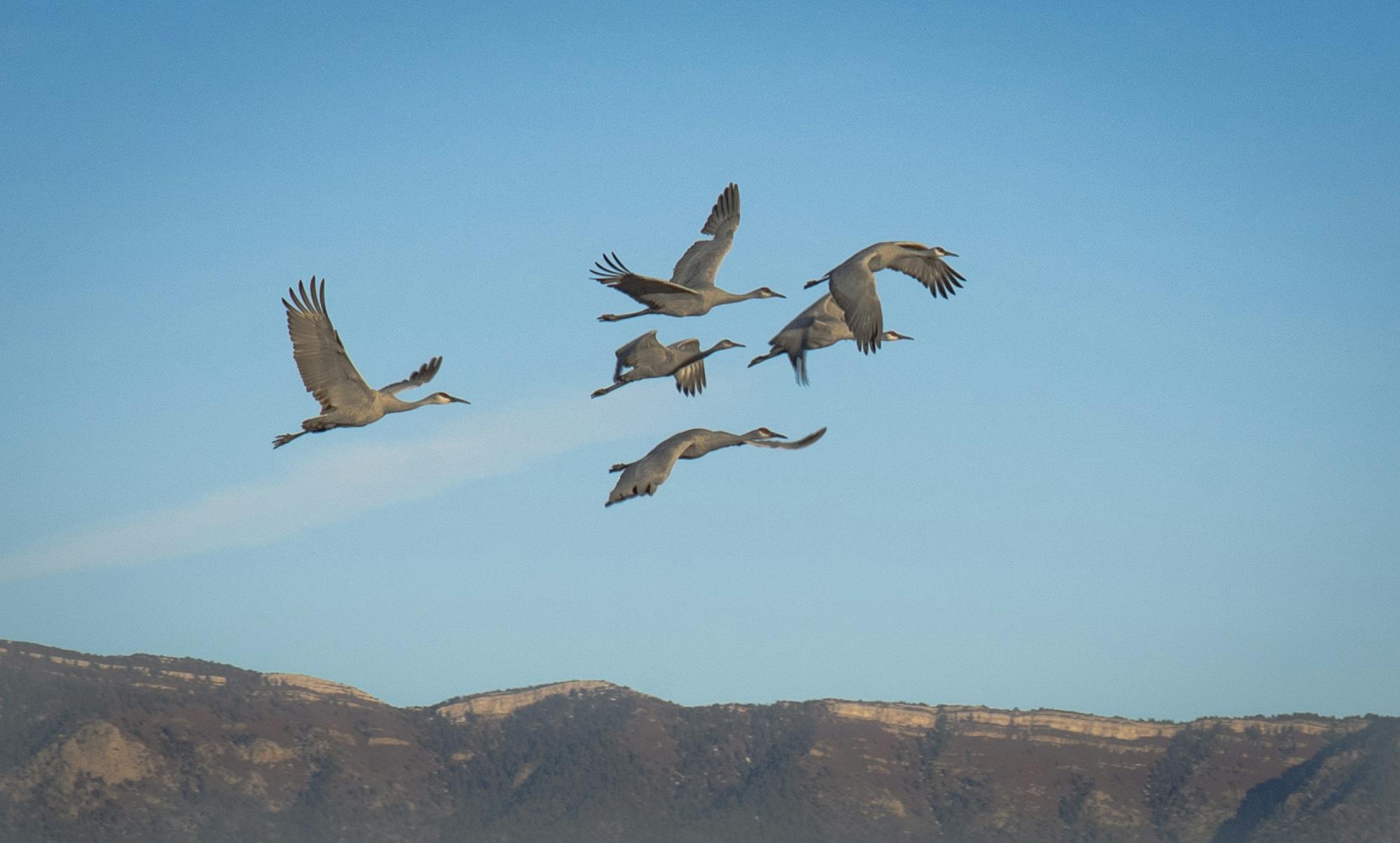
The Rio Grande Nature Center State Park provides habitat for over 300 species of birds, according to its website. During this time of year, sandhill cranes find food in the fields, and spotted towhee and duck species gather by feeders at the pond.
UNM’s main campus hosts a total of 212 species of birds at different times throughout the year, according to Birding Hotspots. Even with the current Duck Pond renovation, trees and green space provide habitat for robins and roadrunners.
Leila Chapa is the social media editor for the Daily Lobo. She can be reached at socialmedia@dailylobo.com or on X @lchapa06
Paloma Chapa is the multimedia editor for the Daily Lobo. She can be reached at multimedia@dailylobo.com or on X @paloma_chapa88
More

PHOTOSTORY: ABQ Bruja Fest features wicked creations, local artists
October 13Expo New Mexico hosted the ABQ Bruja Fest on October 10–11, featuring all things wicked and magical. This fest offers a space for Albuquerque community members to showcase witchcraft activities and gifts with a variety of vendors, workshops and performances. Some vendors offered palm and tarot readings. Others sold candles, incense, brooms, crocheted goods, jewelry, crystals, art and more. Trinity Ayers is a freelance photographer for the Daily Lobo. She can be reached at photo@dailylobo.com and on X @DailyLobo

PHOTO STORY: Casa Flamenca hosts Balloon Fiesta Tablao
October 12Casa Flamenca in Old Town provides a space for dancers to perform the traditional Spanish tablao, featuring a small stage in a cozy setting where dancers and musicians perform in the same space. During the performance, audience members gather near the stage to view the action up close. The Casa Flamenca Balloon Fiesta Tablao was held during Balloon Fiesta week, so while the balloons went up, the dancing shoes came out at Casa Flamenca. Alex Joe is a freelance videographer for the Daily Lobo. He can be reached at sports@dailylobo.com or on X @DailyLobo

Ice Wolves downed by Odessa Jackalopes
October 7On Sept. 11, the New Mexico Ice Wolves and the Odessa Jackalopes were set to face off in Albuquerque. Right before the game started, both teams were warming up to play, and there were hockey pucks being thrown all over the rink. After the warm up, both teams went back into the locker room, before coming back out a little later to see the colorguard and also hear the national anthem. There was also a moment of silence for victims of the 9/11 attacks in 2001. After the game began, there were players coming on and off of the bench all game. The Jackolopes started off with the lead, but the Ice Wolves quickly tied the game 1-1. While tied, New Mexico struggled to get another point for the rest of the game. Although the Ice Wolves put up a good fight, they ended up losing the game 3-1. Cayden Flores is a freelance photographer at the Daily Lobo. They can be reached at photo@dailylobo.com or on X @DailyLobo
