

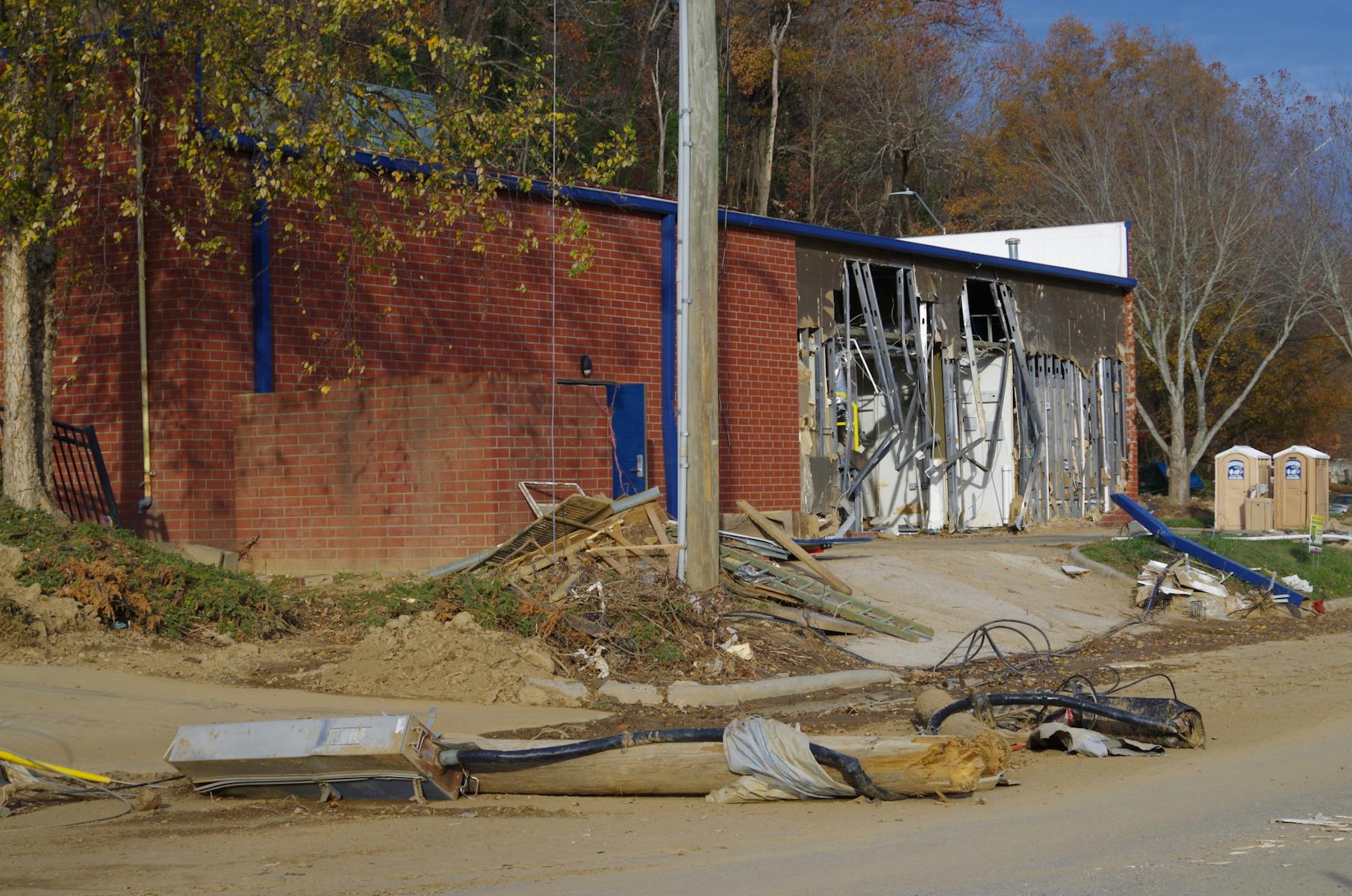
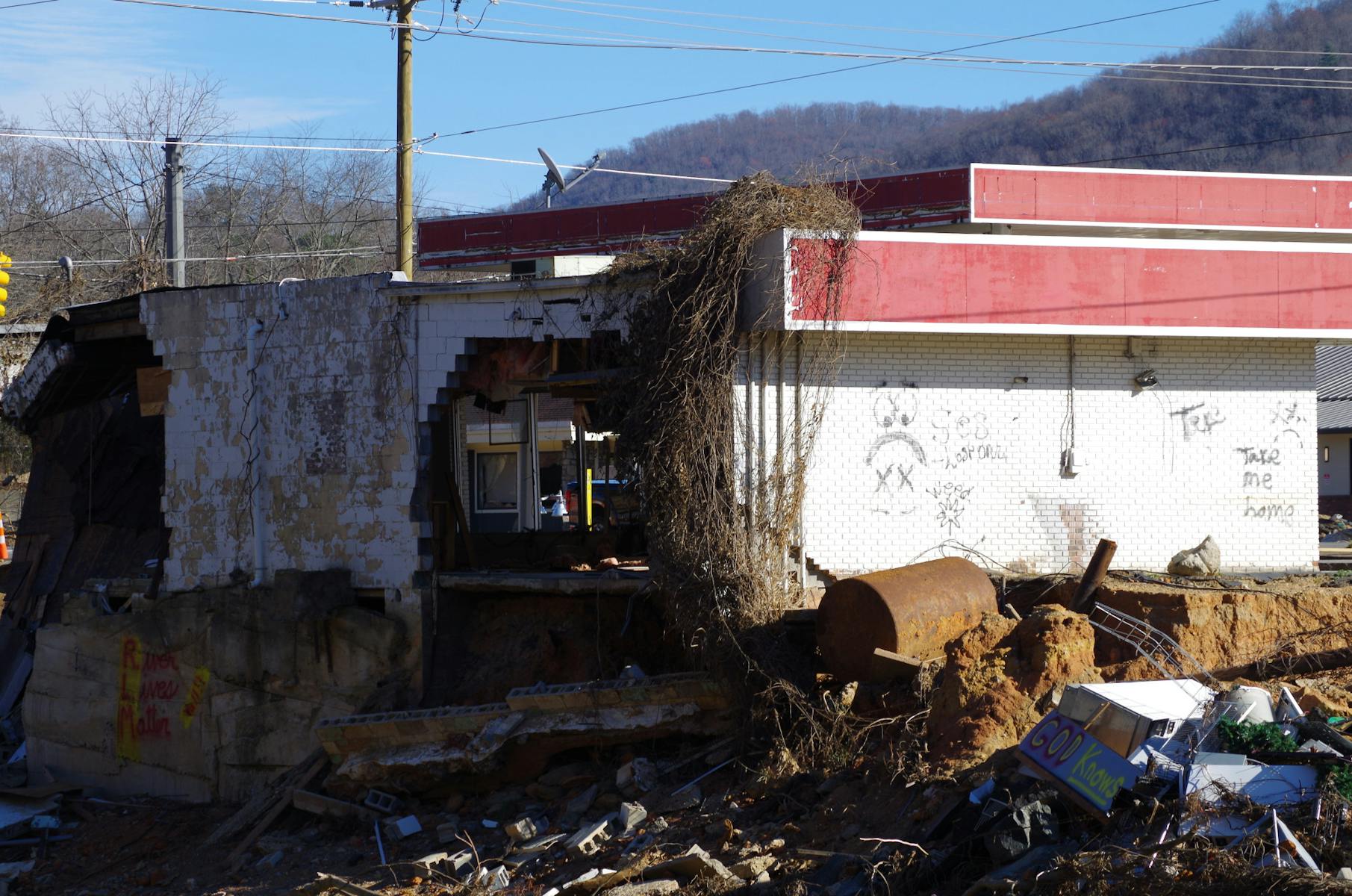
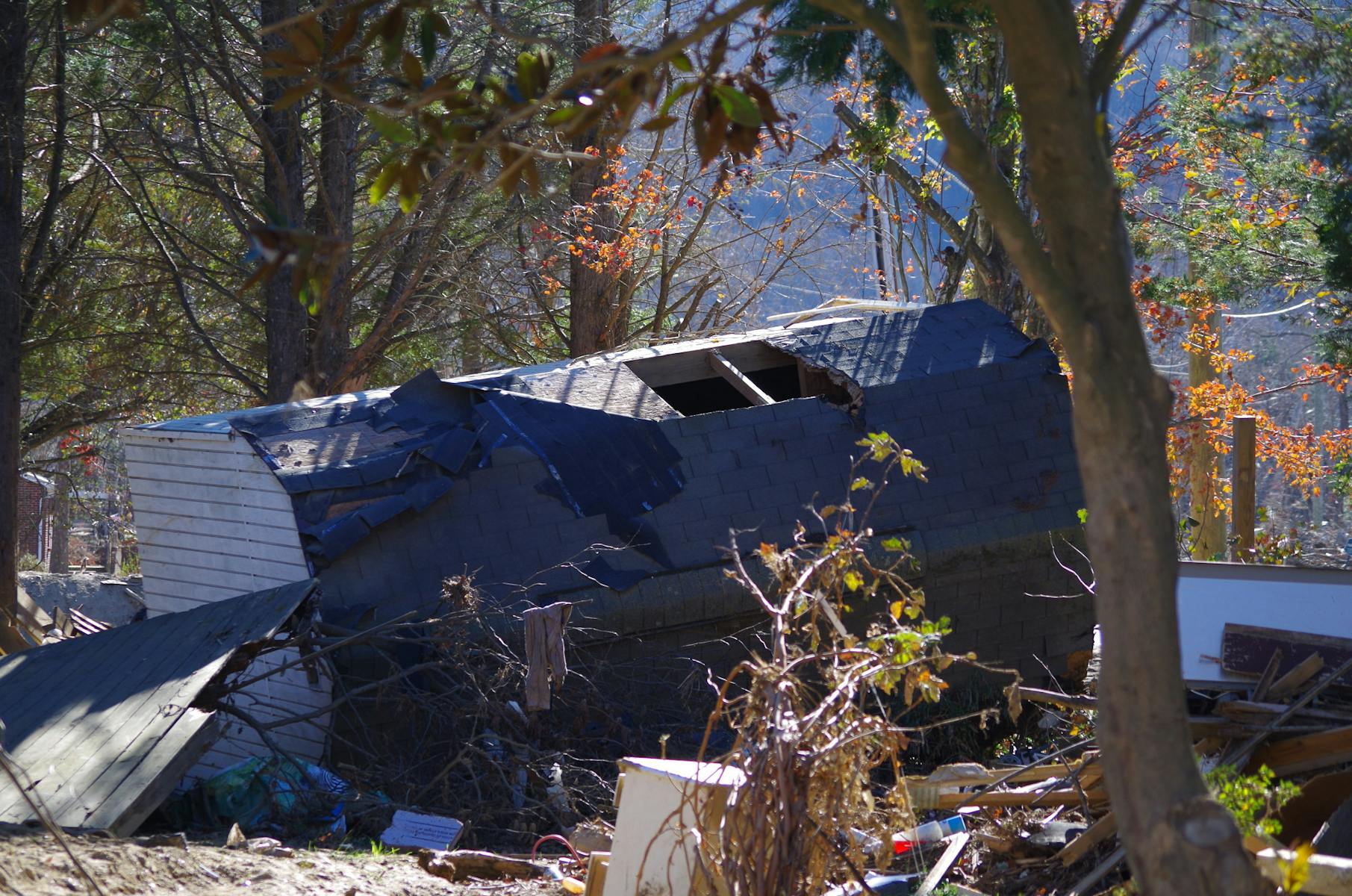
It was the third-deadliest hurricane of the modern era, according to the National Centers for Environmental Information.
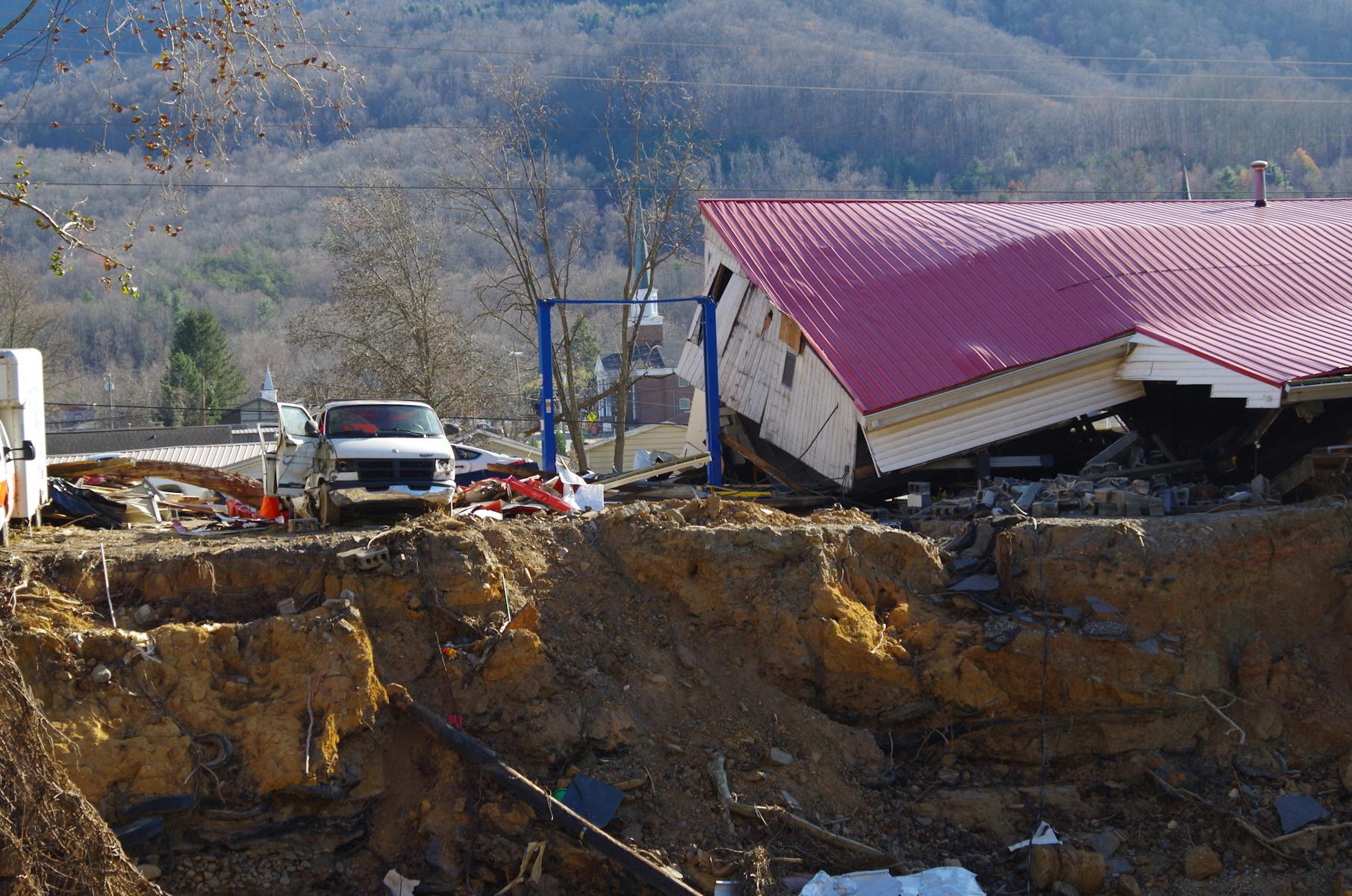
Hurricane Helene made landfall in Florida late on Sept. 26 before hitting Western North Carolina the following morning. The storm brought flooding, landslides and winds that damaged or downed 40% of the trees in Buncombe County, according to Asheville Watchdog.
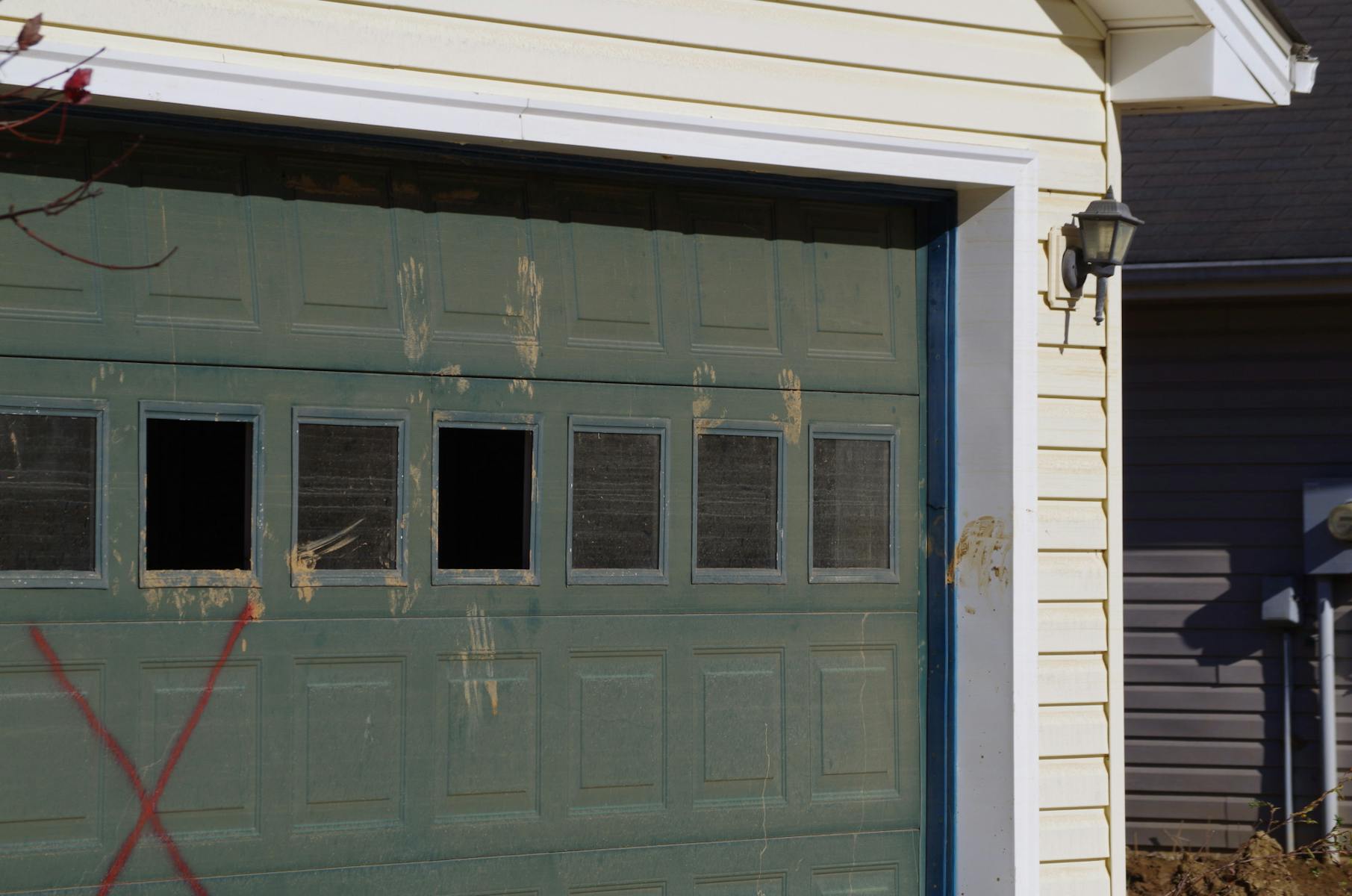
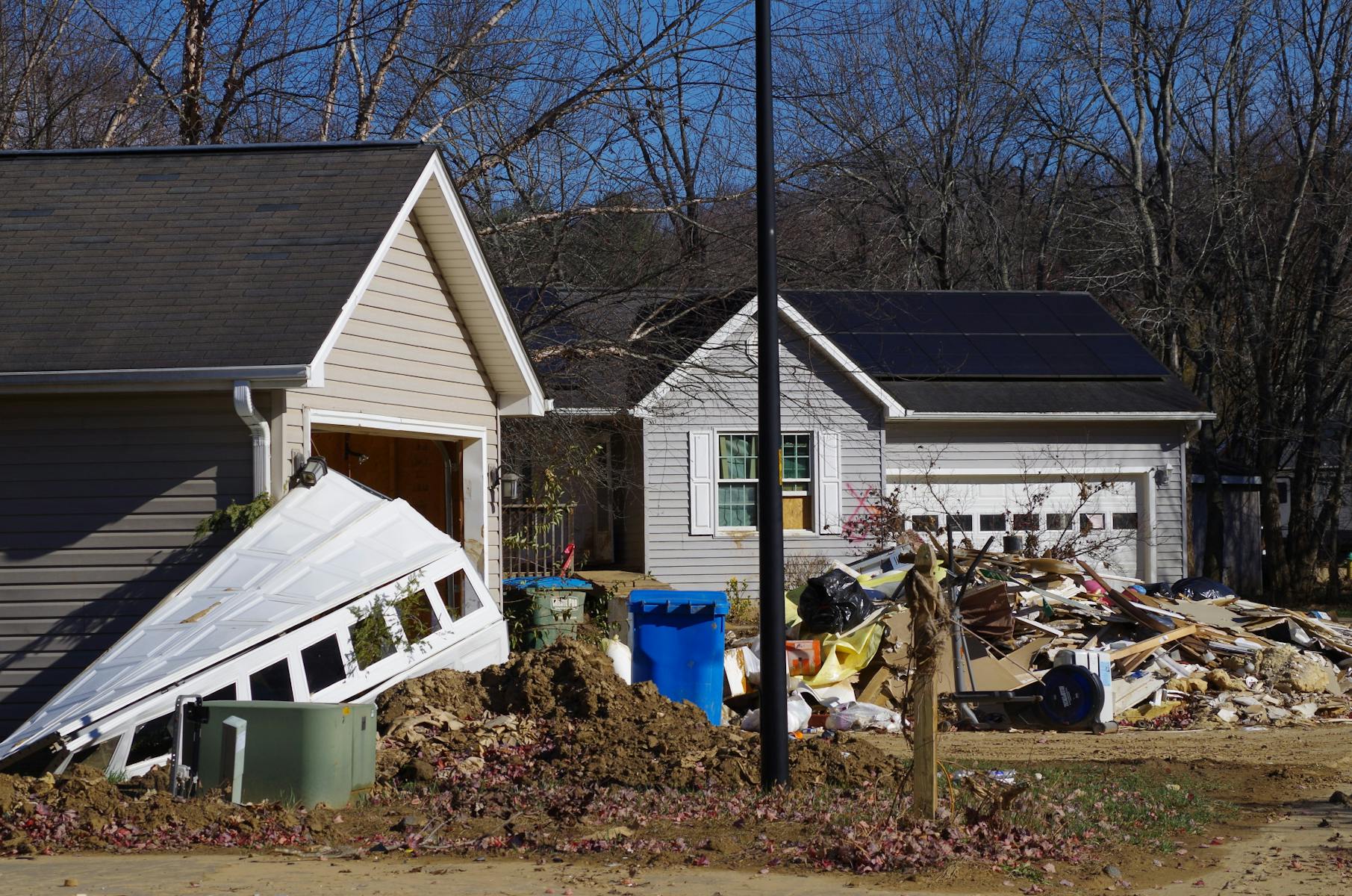
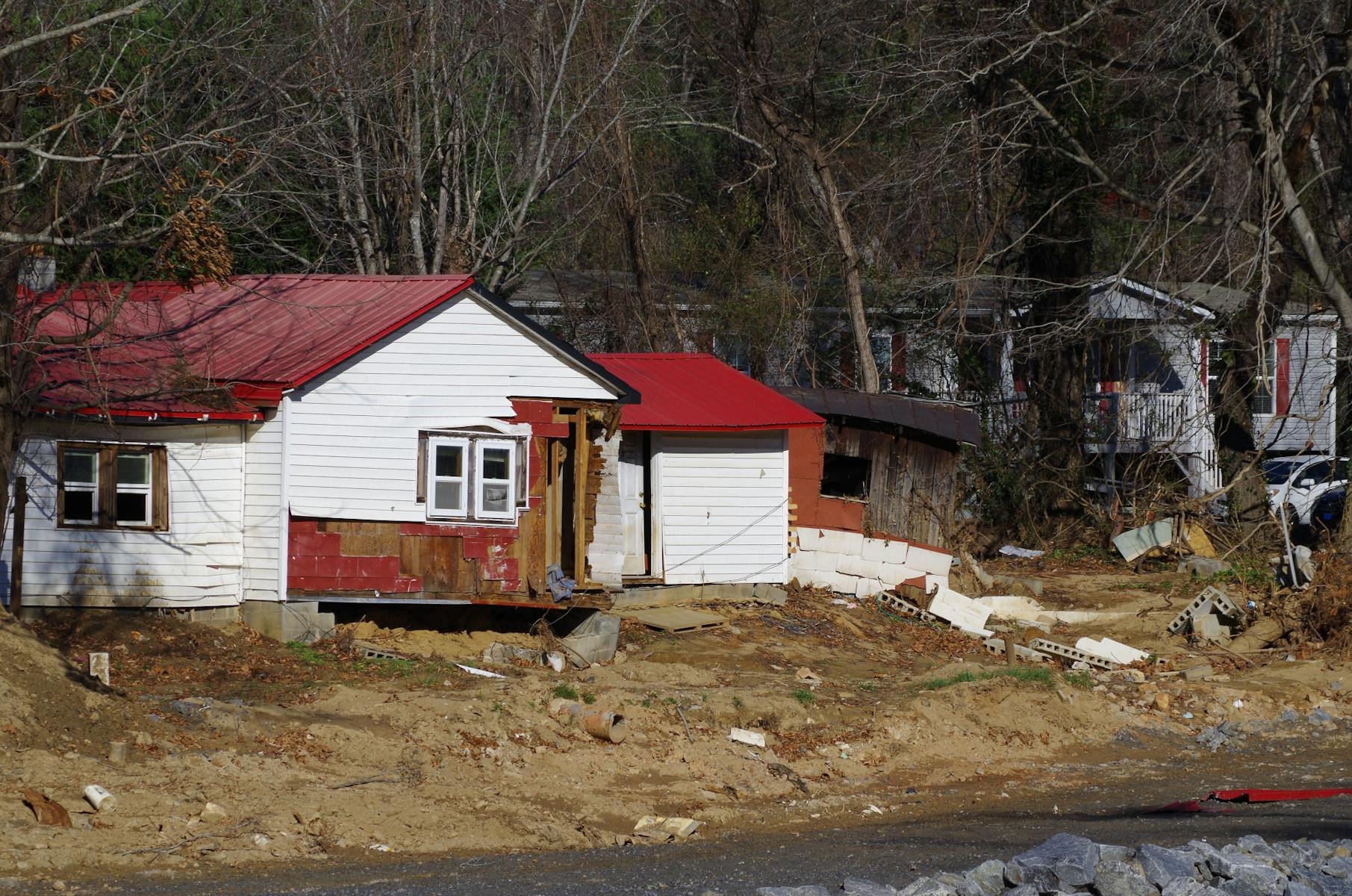
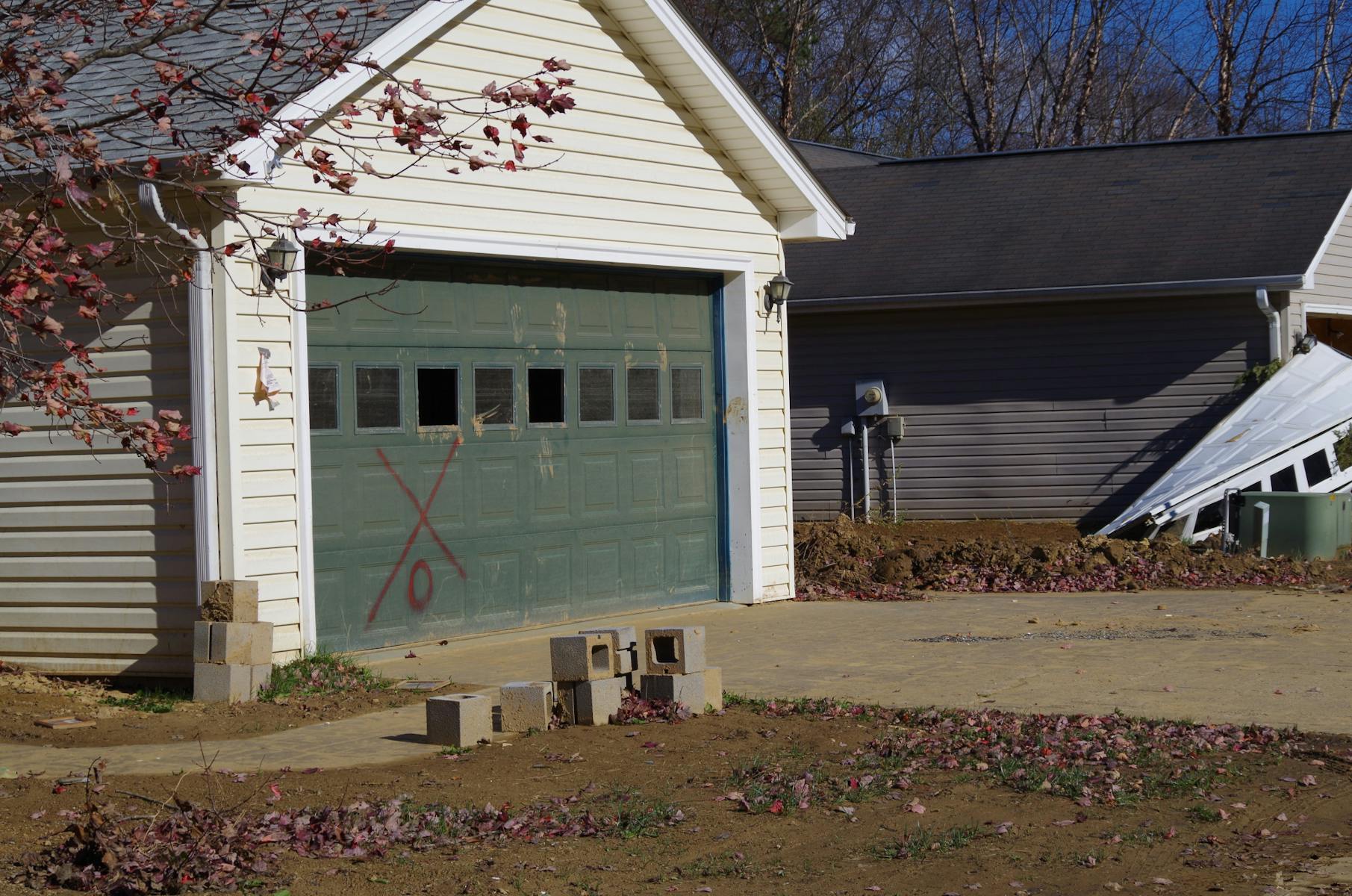
Two months after the storm, homes across Western North Carolina stood with broken windows and empty rooms. Spray-painted “X”s marked outside walls and garage doors, indicating complete FEMA searches, according to the Civil Air Patrol.
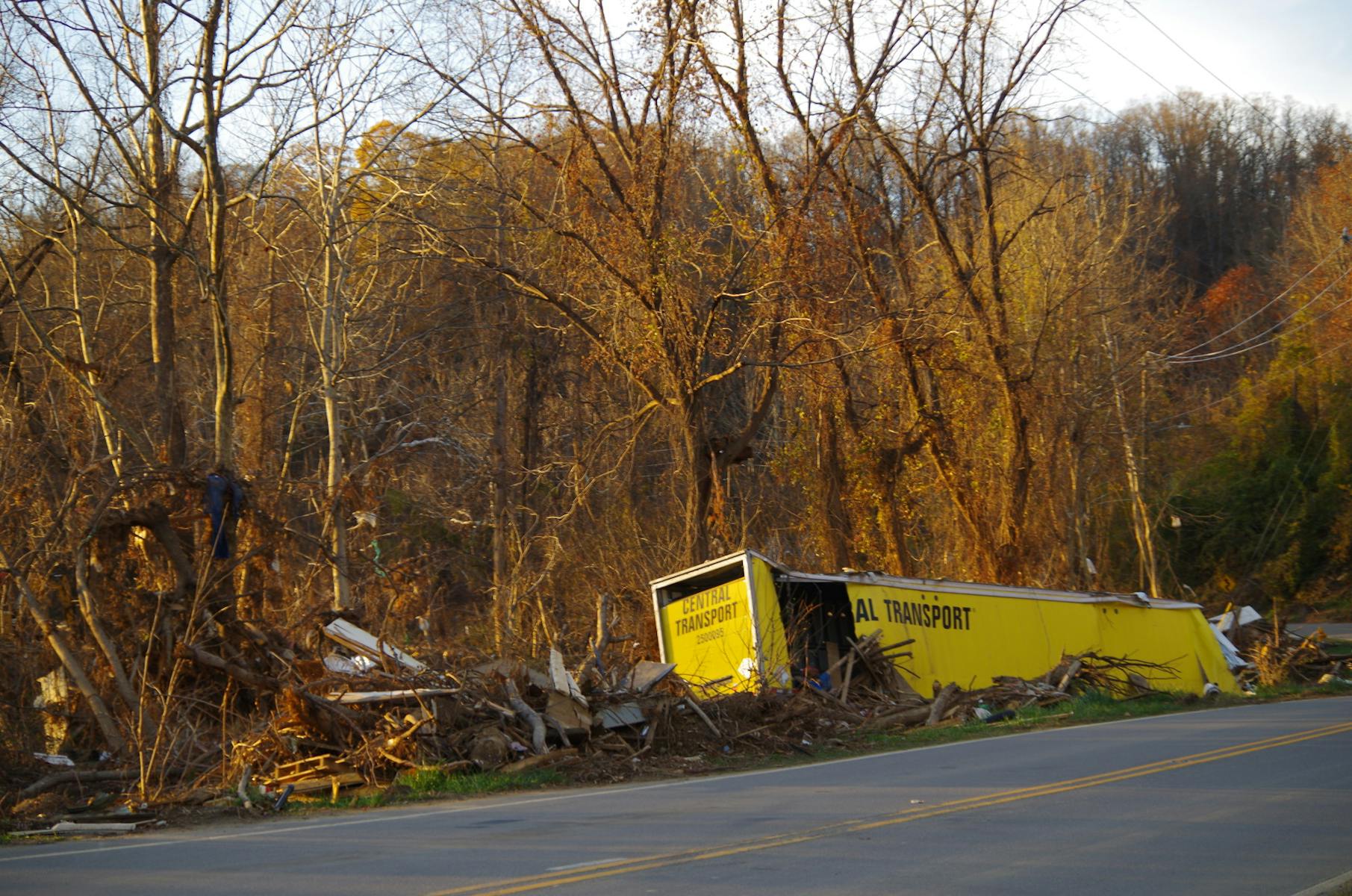
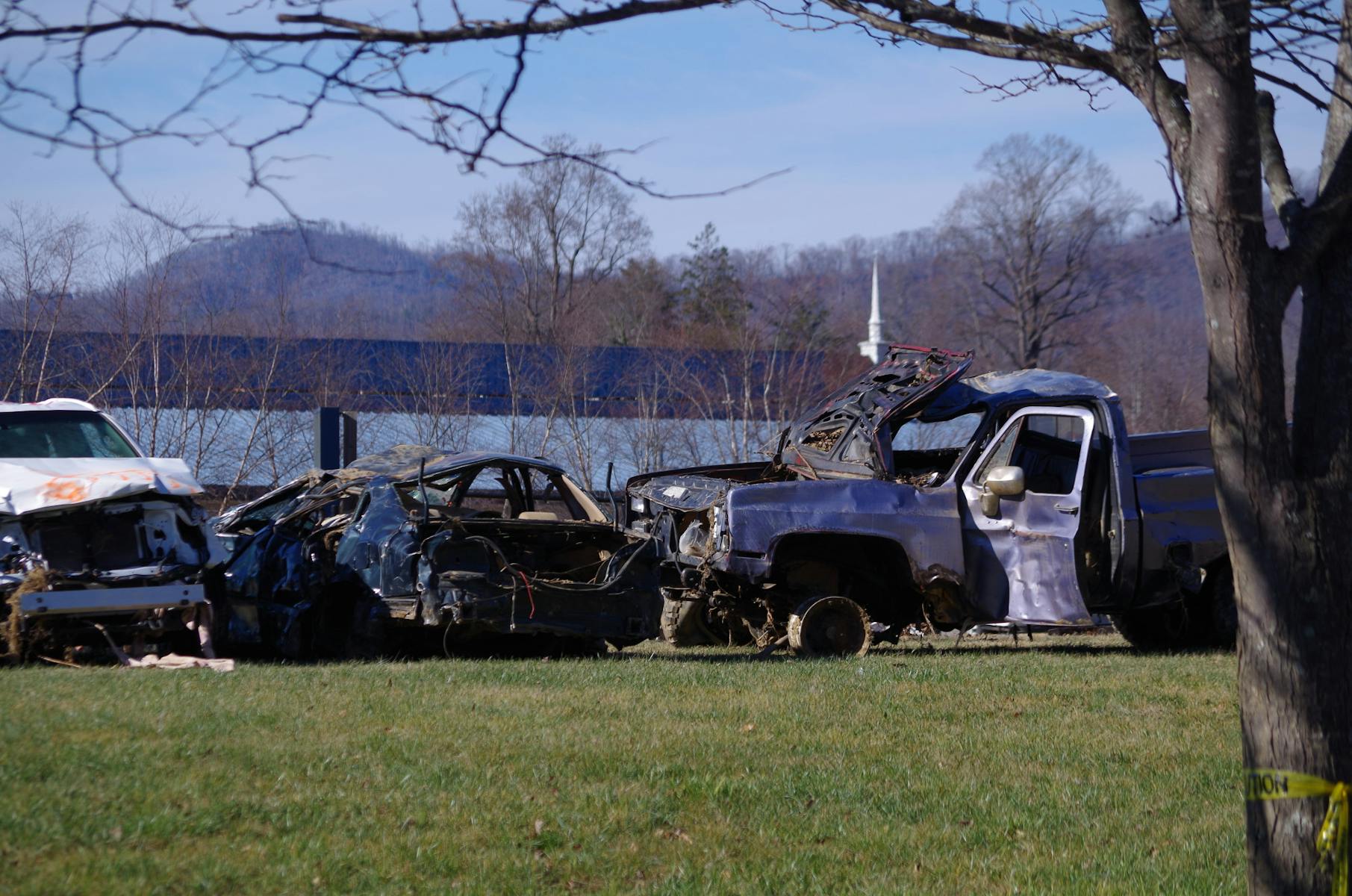
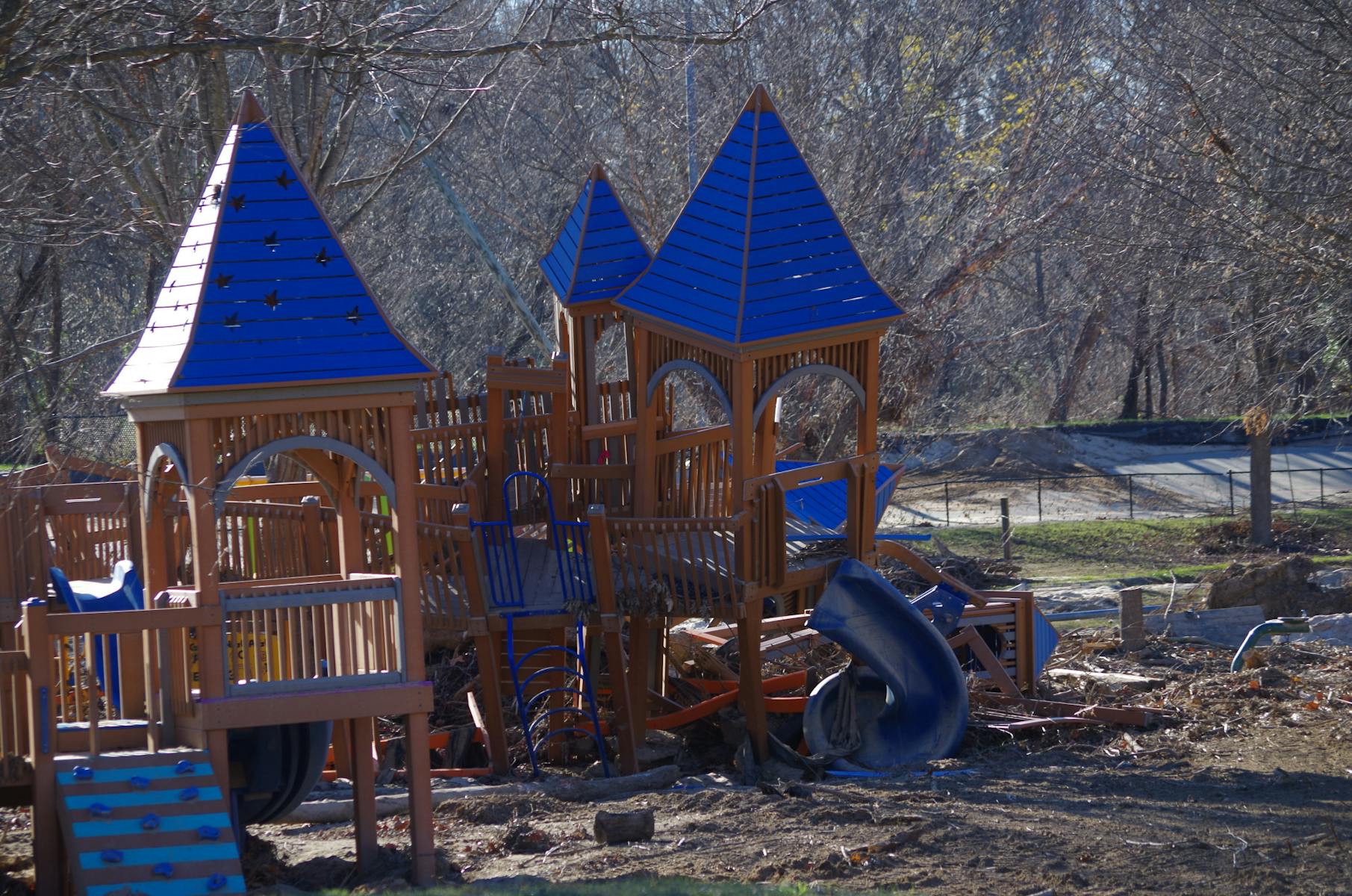
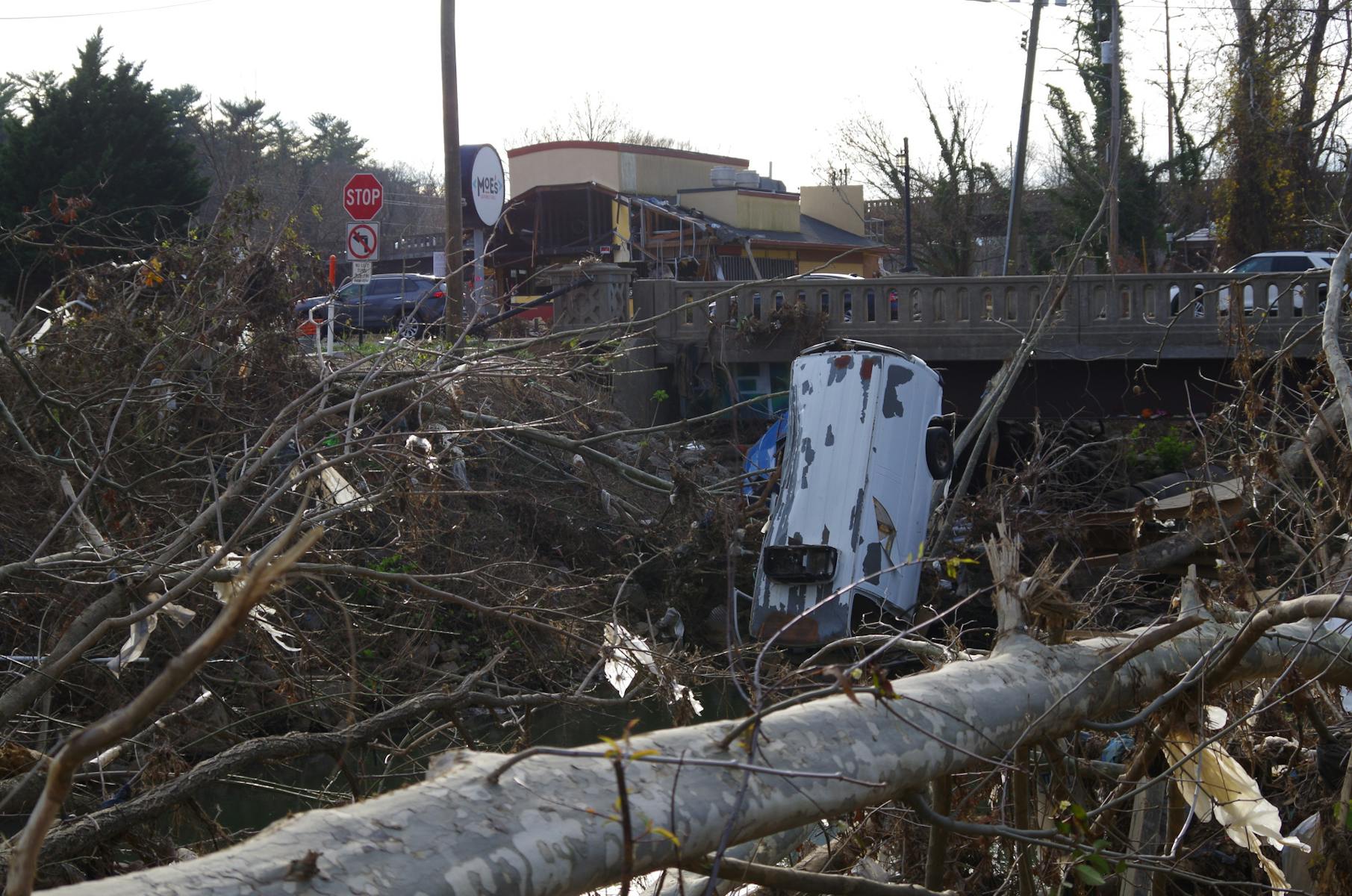
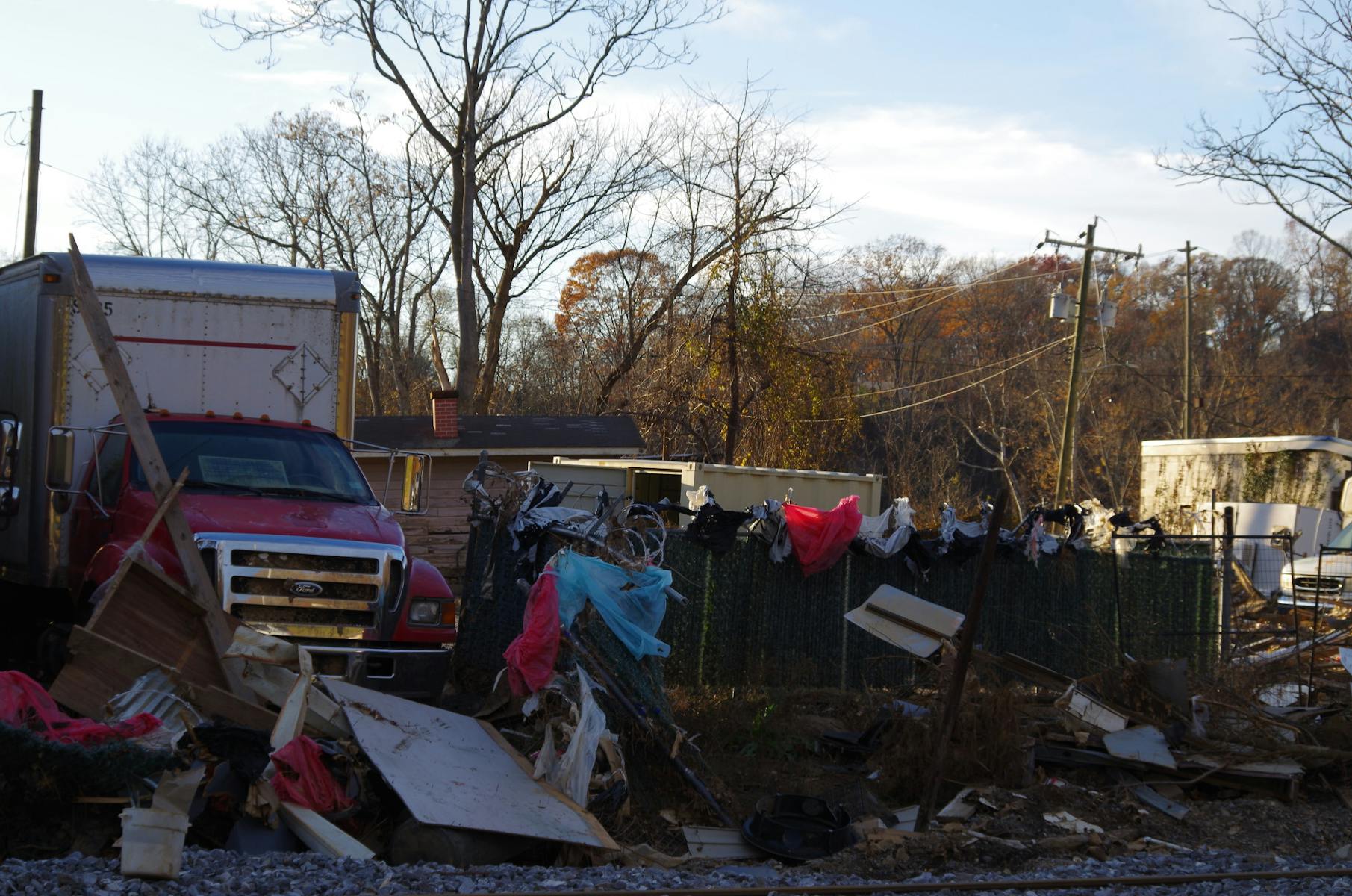
Cars and trucks remained abandoned in rivers and under rubble. Residents’ belongings — clothing, curtains, childrens’ toys — sat in piles along the French Broad and Swannanoa rivers. Businesses were boarded up; roads and broken bridges were closed.
A building on Riverside Drive in Asheville — located in Buncombe County — read “LOOTERS WILL BE SHOT” in red spray paint.
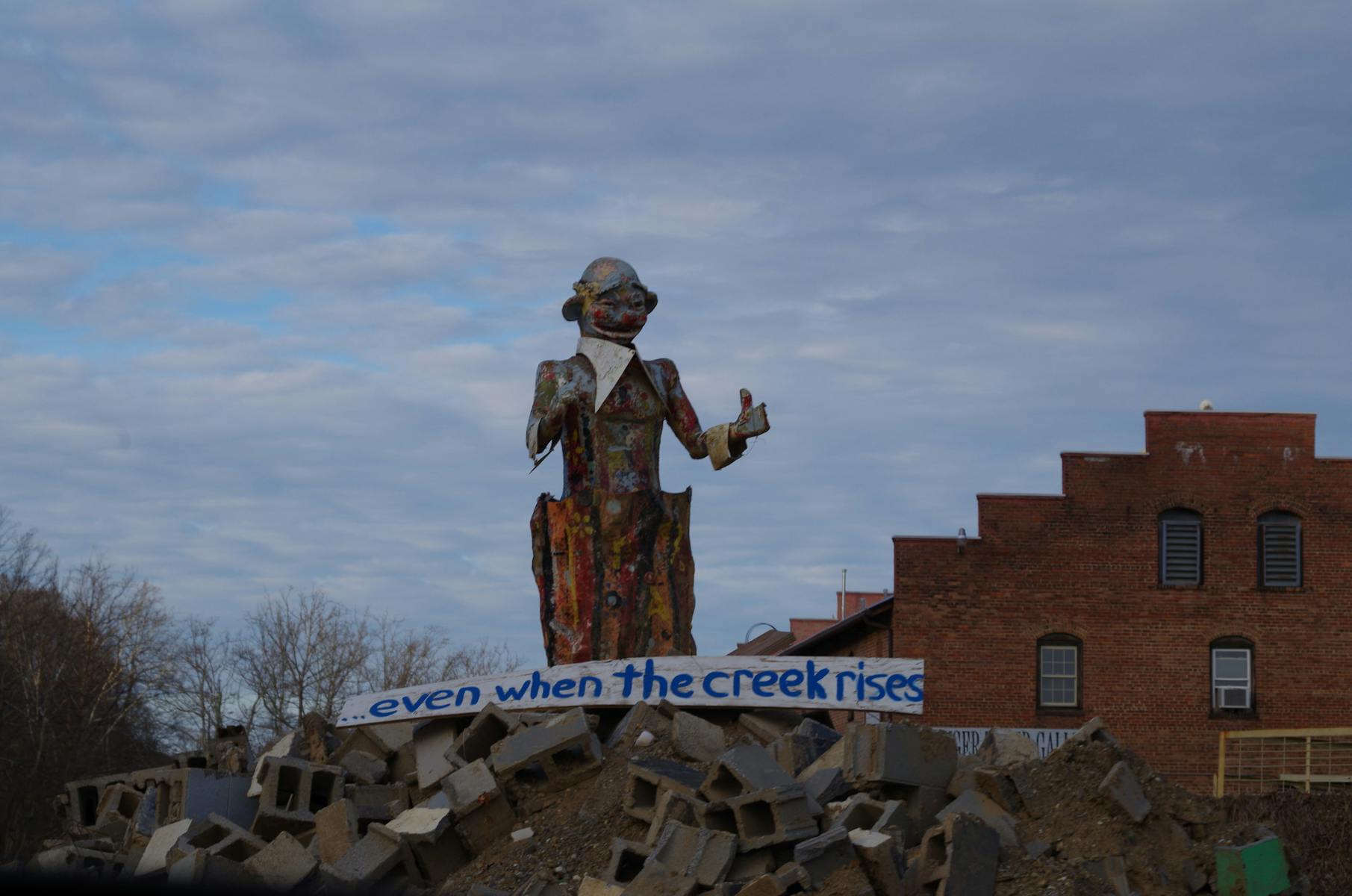
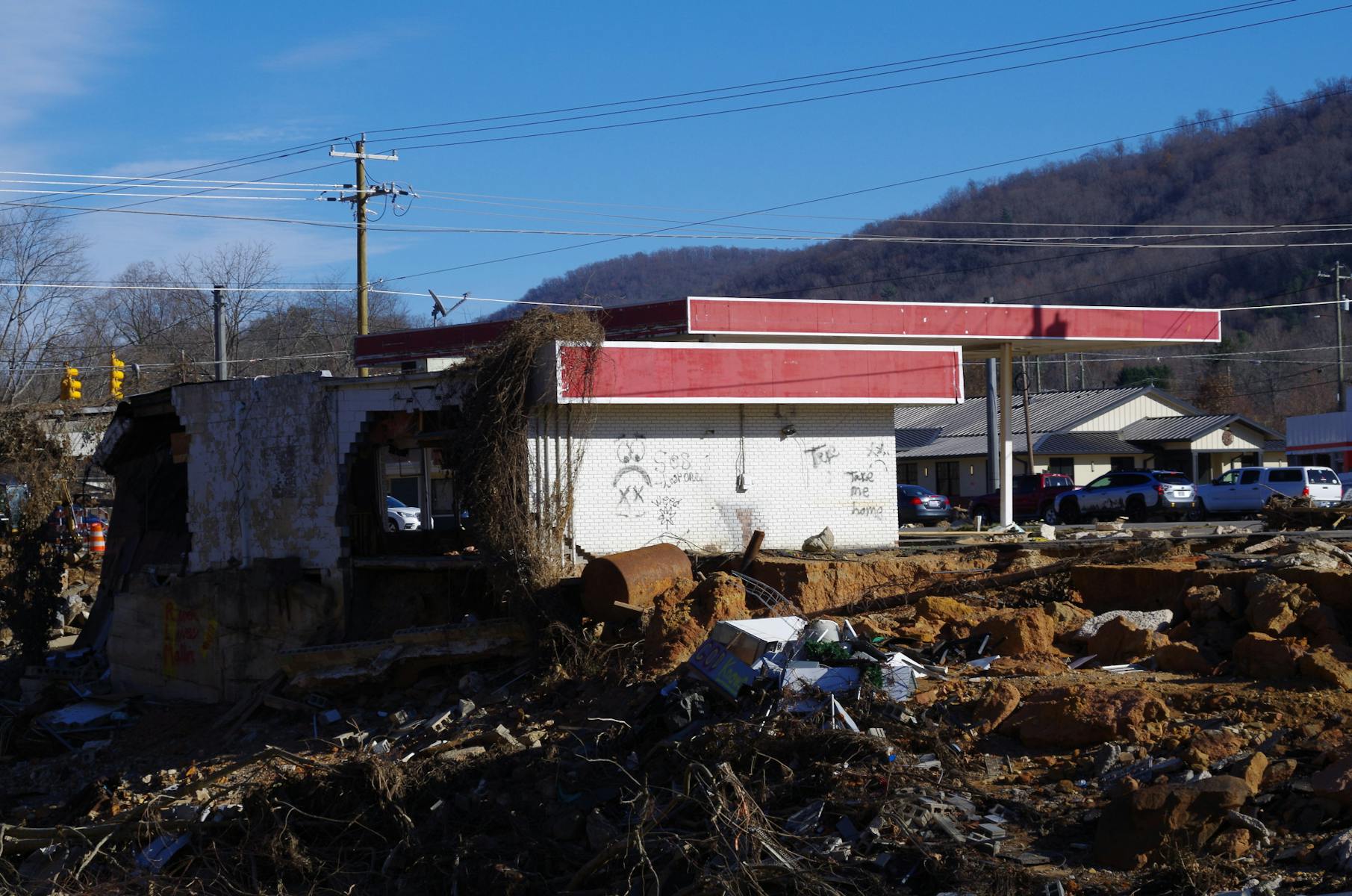
But amid the rubble, residents of Asheville and nearby Swannanoa also spray-painted messages of hope. A statue in the River Arts District — a neighborhood of historic buildings transformed into art galleries and restaurants — stood above a sign that read “even when the creek rises.” A piece of wood in front of a gas station in Swannanoa featured text that read “UR strong” and a red heart.
Efforts to rebuild persist. So does the knowledge that the road will be long.
Lily Alexander is the editor-in-chief of the Daily Lobo. She can be reached at editorinchief@dailylobo.com or on X @llilyalexander
More

PHOTOSTORY: ABQ Bruja Fest features wicked creations, local artists
October 13Expo New Mexico hosted the ABQ Bruja Fest on October 10–11, featuring all things wicked and magical. This fest offers a space for Albuquerque community members to showcase witchcraft activities and gifts with a variety of vendors, workshops and performances. Some vendors offered palm and tarot readings. Others sold candles, incense, brooms, crocheted goods, jewelry, crystals, art and more. Trinity Ayers is a freelance photographer for the Daily Lobo. She can be reached at photo@dailylobo.com and on X @DailyLobo

PHOTO STORY: Casa Flamenca hosts Balloon Fiesta Tablao
October 12Casa Flamenca in Old Town provides a space for dancers to perform the traditional Spanish tablao, featuring a small stage in a cozy setting where dancers and musicians perform in the same space. During the performance, audience members gather near the stage to view the action up close. The Casa Flamenca Balloon Fiesta Tablao was held during Balloon Fiesta week, so while the balloons went up, the dancing shoes came out at Casa Flamenca. Alex Joe is a freelance videographer for the Daily Lobo. He can be reached at sports@dailylobo.com or on X @DailyLobo

Ice Wolves downed by Odessa Jackalopes
October 7On Sept. 11, the New Mexico Ice Wolves and the Odessa Jackalopes were set to face off in Albuquerque. Right before the game started, both teams were warming up to play, and there were hockey pucks being thrown all over the rink. After the warm up, both teams went back into the locker room, before coming back out a little later to see the colorguard and also hear the national anthem. There was also a moment of silence for victims of the 9/11 attacks in 2001. After the game began, there were players coming on and off of the bench all game. The Jackolopes started off with the lead, but the Ice Wolves quickly tied the game 1-1. While tied, New Mexico struggled to get another point for the rest of the game. Although the Ice Wolves put up a good fight, they ended up losing the game 3-1. Cayden Flores is a freelance photographer at the Daily Lobo. They can be reached at photo@dailylobo.com or on X @DailyLobo
