

On Jan. 6, the Albuquerque City Council approved two ordinances targeted at improving housing availability through home development and reducing the amount of vacant property Downtown.
The first bill, O-24-69, amended the existing Integrated Development Ordinance to allow for the development of multifamily homes in areas that are within a quarter-mile of Main Street and Premium Transit Station (ART) areas. The bill was sponsored by Council President Dan Lewis and Councilor Joaquín Baca, and passed by a vote of 7-2.
The bill also made changes to the appeal process against city projects. To file an appeal opposing a city project, a majority of property owners or tenants who live within 660 feet of the project site must now sign a petition in support of the appeal.
“A lot of projects get appealed and held up,” Baca said. “Sometimes that's a good thing, sometimes not as much.”
Reducing unnecessary appeals was one of the key goals of the bill, according to a statement from the City of Albuquerque.
Both Baca and Lewis referenced plans for a rehab hospital that were shut down because of an appeal by a local neighborhood association.
“It gives neighborhood associations a more credible, legitimate opportunity to be able to speak with one voice that truly represents the neighbors that are affected,” Lewis told the Daily Lobo.
Despite making the appeal process more difficult, the legislation will still allow neighborhood voices to be heard, Lewis said.
The City aims to build more housing to address the shortage, reduce homelessness, prioritize job creation and deliver essential medical and public services efficiently, according to an Albuquerque City Council statement.
The second bill, O-24-61, titled the “Downtown Vacant Premises Ordinance,” seeks to reduce the amount of vacant and empty buildings in Albuquerque by requiring registration and fees for vacant buildings. Sponsored by Baca, the bill was passed by a vote of 8-1.
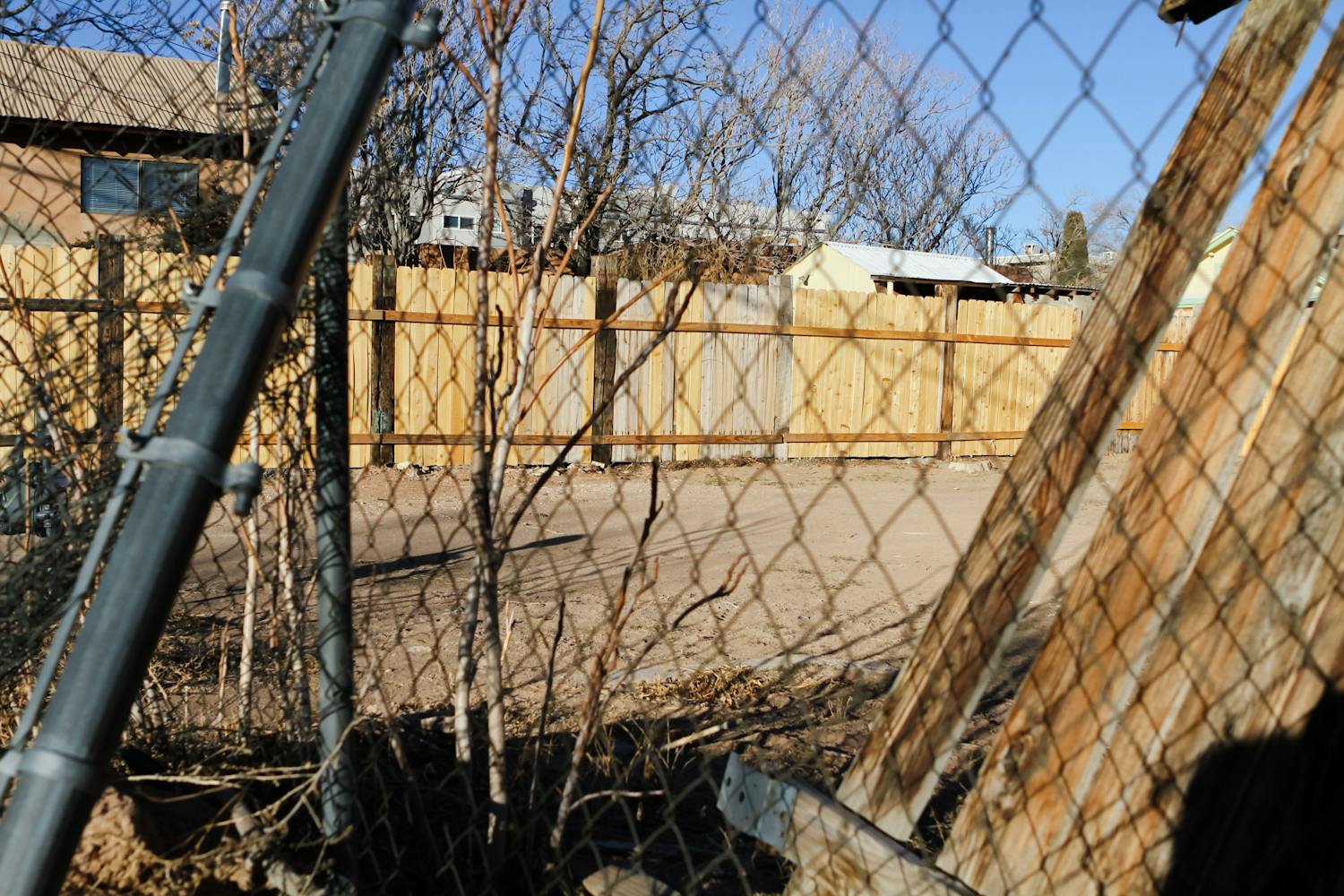
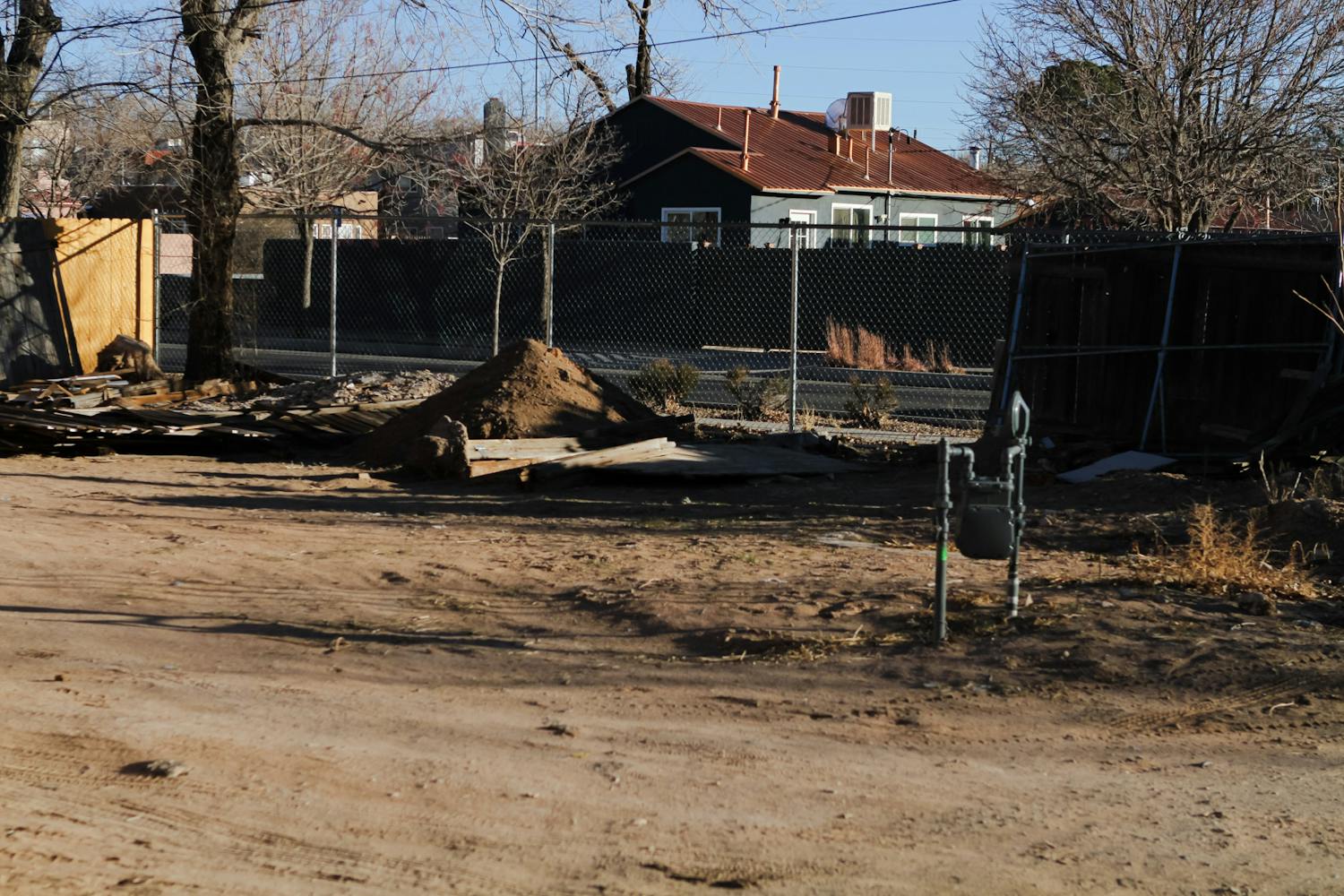
Vacant premises tend to create further vacancies, abandonment and dilapidation in the area, according to the bill.
“All the empty buildings on Central Downtown, they've been empty for decades — like 40 years,” Baca said. “They're now going to be getting charged an assessment fee or registration fee if they don't do anything.”
Get content from The Daily Lobo delivered to your inbox
The downtown area has a vacancy rate of 12.8% for retail, 23% for office and over 30% of the land being used as parking, according to the bill.
“It gives the right balance of incentivizing and encouraging them to revitalize those areas and those buildings,” Lewis, who voted in favor of the bill, said.
In 2024, Albuquerque Healthcare for the Homeless reported that the size of the unhoused population in Albuquerque had more than doubled since 2022.
“Housing, that is one of the biggest issues we have going on — not just in our city, but every city,” Baca said. “And when I say housing I mean all forms, transitional housing, permanent, supportive housing, affordable housing, market-rate housing.”
Jaden McKelvey-Francis is a freelance reporter for the Daily Lobo. He can be reached at news@dailylobo.com or on X @dailylobo


