

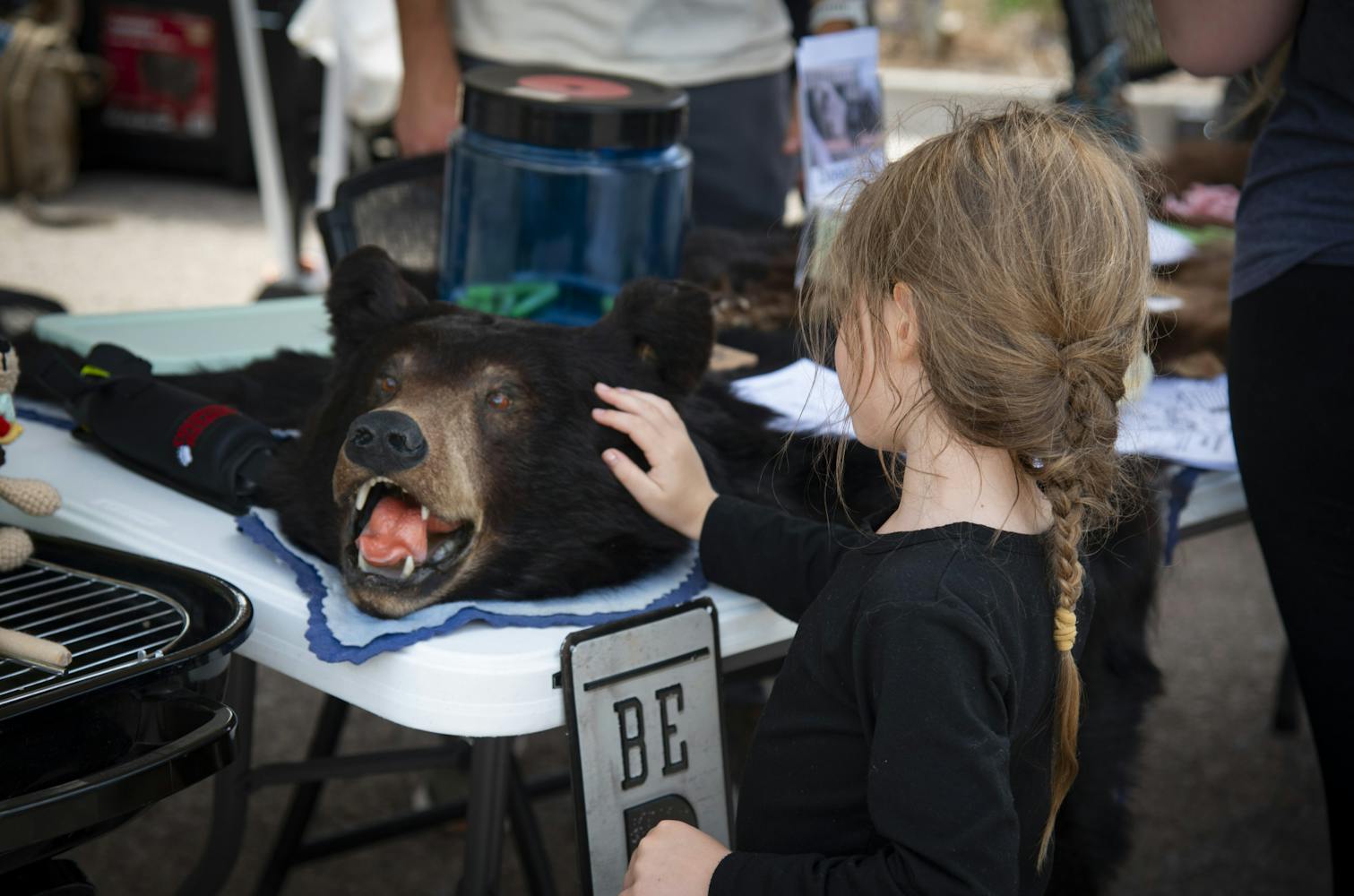
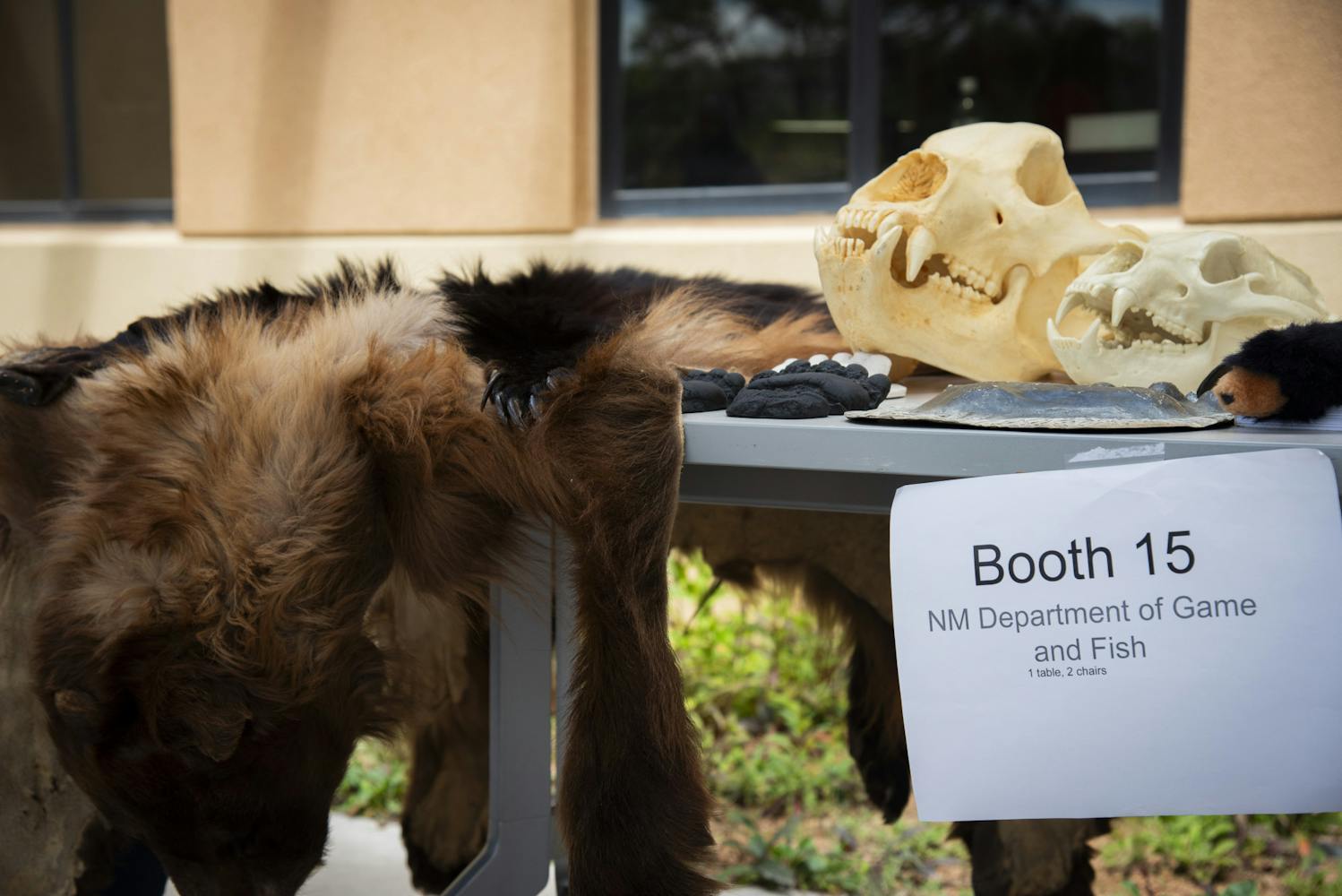
As the state’s drought conditions become increasingly severe, bears have turned towards humans to find sustenance, with this decision often resulting in their death, experts say.
Due to low availability of food, bear activity has increased in areas where people reside, Natasha Montoya, a spokesperson for New Mexico Department of Wildlife wrote in a statement to the Daily Lobo.
“Once a bear becomes accustomed to humans providing an easy food source, they can become habituated and may return to the same areas,” Montoya wrote. “When they become habituated in this way, humans and pets are put in danger and bears are put in a situation where they must either be relocated or euthanized.”
Bear deaths resulting from euthanization to remove them from human areas are referred to as “depredation” by NMDOW. The department has euthanized 129 bears in response to complaints this year and an additional 58 bears were “legally euthanized” by landowners, according to Montoya.
Montoya wrote that preventing habituation in the first place is the “best way to help keep bears alive.” According to NMDOW, depredation and hunting are leading causes of death for NM black bears.
NM Conservation Lead at Wild Earth Guardians, Leia Barnett, told the Daily Lobo that sport bear hunters will often hunt with hunting dogs that chase the bears up trees, and hunters will “shoot the bear out of the tree.” Bear deaths from depredation do not count for bear hunting “quotas” set by the NMDOW, according to Barnett.
“When a citizen calls in and says, ‘I have a bear who’s been in my backyard eating my bird seed out of the bird feeder’ and the Department of Wildlife sends an officer out, and occasionally they’ll relocate the bear, but the vast majority of those calls end in the death of the bear.” Barnett said. “All of these ‘problem bears’ that have been killed this year because they’re getting into people’s yards because they’re starving and dying of thirst or getting hit by cars on the highway, the department does not include any of those numbers when they’re setting the next bear quota.”
When asked about depredation and hunting quotas, Montoya wrote that hunting limits are set through the “Department’s rulemaking process” and that the rule “allows adjusting limits in response to population or environmental factors.”
According to NMDOW, the current statewide “sustainable harvest limit” for bear hunting is 862, with 332 of them allowed to be female. The harvest as of Aug. 28, is 198, with 82 of them female.
Bears are hunted in “Bear Management Zones,” which are closed after 90% of the total or female “sustainable harvest limit” is reached.
The Daily Lobo calculated that there have been an average of 630 black bears killed annually since 2012, using data from NMDOW that includes deaths from hunts, depredation and roadkill.
“A lot of (wildlife management) departments were ultimately started with the goal of only managing wildlife for game species, making sure that there were enough bears and elk and deer for people to shoot, and the health of the total population was not a concern,” Barnett said.
Get content from The Daily Lobo delivered to your inbox
Barnett recommended alternatives to bear management including conflict aversion through shooting rubber bullets and other techniques to deter the bear from human-inhabited spaces.
“We’ve had millions of acres burned in severe wildfires over the past five years, and we’re seeing this erratic behavior from these bears that’s resulting in all these depredation removals, which is not a responsible way to manage wildlife,” Barnett said. “They’re hungry, they’ve lost habitat from the fires, they’re thirsty, they’re desperate, and just shooting them is not the answer.”
Nirankar Horak, the Executive Director of the Land of Enchantment Wildlife Foundation, told the Daily Lobo that cleaning up properties and removing bird feeders can significantly help reduce bear depredation deaths.
“Even the smallest reward will keep them around, and if they keep moving, then there’s no risk of euthanasia,” Horak said.
The Land of Enchantment Wildlife Foundation performs bear rehabilitation, where they teach cubs “good behavior” to avoid human conflict.
Four of their cubs currently in rehab were orphaned due to their mothers being euthanized after hunting livestock and breaking into a home, according to Horak.
One female cub named Hishi was admitted to rehab from Mescalero, where Horak said she was found laying in a sunflower patch, severely underweight.
“(Hishi) ended up pretty much unable to move out of that sunflower patch, she was so starving, and now she’s doing great,” Horak said. “She’s one of our fattest bears right now.”
Horak said the warm winter and lack of snowpack, coupled with low moisture this summer, resulted in plants blooming early and struggling to produce.
“There also wasn’t a lot of moisture that we received, so they weren’t able to produce. Like, we’re not seeing acorns on the trees, we’re not seeing the wild berries, and so the food source primarily for these bears are insects, because that’s easy to dig around and find, but even those animals are struggling,” Horak said.
“We hate to hear of moms being euthanized and then their cubs having to come in, it’s really sad, but with them coming in, especially for that mom who killed livestock and then broke into a house, that behavior is not being taught to the next generation,” Horak said. “Instead we can teach them that they need to stay away from humans, they need to go forage for the right kind of food.”
Los Alamos resident Jayne Shirato told the Daily Lobo she encountered a bear this year when she was taking out the trash and never called authorities, and has since moved her garbage cans into her garage.
“There was a bear standing there at the trash can trying to get the lid open, and so I closed the door again real quick and it must have heard me close the door because it went off then,” Shirato said. “I like to see them and I think this was their home first, so, you know, we’re the interlopers, but we do have to be very careful.”
Leila Chapa is the photo editor for the Daily Lobo. She can be reached at socialmedia@dailylobo.com or on X @lchapa06
Paloma Chapa is the news and multimedia editor for the Daily Lobo. She can be reached at news@dailylobo.com or on X @paloma_chapa88
Paloma Chapa is the news and multimedia editor for the Daily Lobo. She can be reached at multimedia@dailylobo.com or on Twitter @paloma_chapa88


