
Lobos Basketball Tournament

Culture
Local Black-owned business wants microgreens on every plate
Megan Gleason | February 11Papa’s Little Helpers MicroFarm is a local business with a mission to grow and promote healthy, locally grown food. Owner Rico Robinson has set a goal to better educate everyone — especially the Black community — on the importance of eating healthy. While the business doesn’t currently provide a large variety of meal options, Robinson hopes that he can incorporate a delivery service with healthy meals in the future. “It’s going to taste like soul food, but it’s going to be purely healthy food,” Robinson said.

News
New female pastor at Grant Chapel AME adapts to pandemic
Maddie Pukite | February 11Margaret McFaddin has continuously made a point to tie social justice into her preaching, and her work in Albuquerque is no different. “(The church) empowers you to be able to love people without restriction. That's really who we are and what we do,” McFaddin said. McFaddin was appointed on Sept. 11 of last year to Grant Chapel African Methodist Episcopal (AME) Church in Albuquerque, and she currently serves as the second female pastor in the church’s history.

Culture
Drag bingo takes center stage for SAC
Daniel Ward | February 11The University of New Mexico’s Student Union Building kicked off the spring semester with a back to school bingo night on Friday, Jan. 29. Only four students attended, which is the lowest group Uni Nights have had since switching to virtual events. Coincidentally, the Student Activities Center (SAC) hosted a drag bingo night the week before with over 130 students participating. While drag bingo isn’t quite the same as the more traditional event, the two are similar enough to question the scheduling process of events for both departments. Andrea Marquez, the SAC advisor in charge of coordinating events like drag bingo, said the SAC specifically planned its bingo night earlier in the term because students would have to quarantine after coming to the dorms from out of town.


Culture
Looking back at ‘Killer of Sheep,’ a small budget masterpiece
Dylan Haworth | February 10In 1977, Charles Burnett began production of his debut feature “Killer of Sheep,” a film following the everyday working class struggles of a Black slaughterhouse worker. 13 years later, it was one of the first 50 films deemed a national treasure by the Library of Congress. With this film and his subsequent realist works, Burnett is regarded as one of the most important filmmakers of the 20th century, going on to inspire artists like Spike Lee, Barry Jenkins and Ryan Coogler. “Killer of Sheep” puts the impoverished Los Angeles neighborhood of Watts under the microscope. The film was made 12 years after the Watts Rebellion, a six-day series of protests against police brutality in which 34 protesters were murdered. The aftermath of the state-sponsored violence echoes throughout the many scenes of children scampering through the ruins of old buildings destroyed in the decade prior.

Culture
Divine Nine orgs continue tradition of Black excellence
Ana Gutierrez | February 10Brianna Edey is the current president of the Multicultural Greek Council (MGC) and the University of New Mexico chapter of Zeta Phi Beta sorority. When asked about what makes the “Divine Nine” —a collective of historically Black Greek letter organizations, with eight of the nine active at UNM — unique compared to other organizations, she narrowed it all down to its rich history. “In fact, our (individual) organizations were created because we weren’t allowed in existing councils,” Edey said. All of the Divine Nine organizations were founded throughout the 1900s, when Black students in the United States were often ostracized and banned from joining primarily white Greek organizations on college campuses, according to Edey.


Culture
The Fro celebrates ‘Black joy and happiness’ for Black History Month
Shelby Kleinhans | February 7This year, the University of New Mexico’s African American Student Services (AASS or ‘the Fro’) launched Black History Month on Jan. 1 with the raising of the Pan-African flag at Scholes Hall, a symbol of “Black liberation” according to AASS. The event as well as the raising of the ‘Black History Month’ banner by UNM Health Sciences Center were streamed virtually on Facebook, Instagram, Twitter and YouTube. Other virtual events that were either streamed virtually or crafted on social media since then included: “Popular Hair Moments in Black Music History with Natelege Whaley” on Feb. 2, “CROWN Act Town Hall” on Feb. 4 and “National Black HIV/AIDS Awareness Day” on Feb. 7. The pandemic created the necessity for wholly virtual events, but the team at the Fro readily accepted the challenge.
Culture
UNM tuba professor builds legacy through kindness
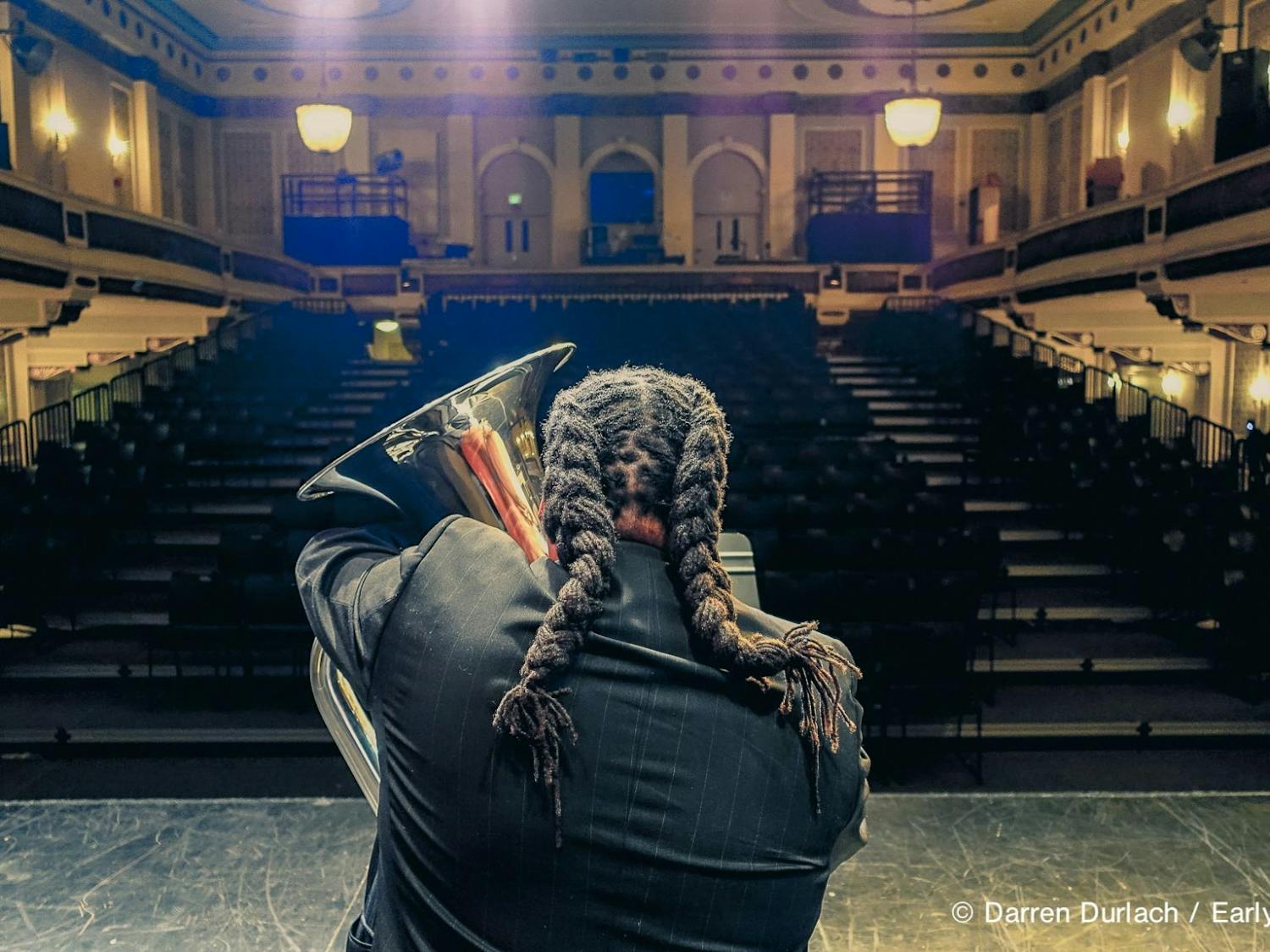
Daniel Ward | February 7Richard White is a man of many accomplishments with a life story full of determination and dedication. Even after becoming the first Black person in the world to achieve a doctorate of music in tuba performance, White said his greatest accomplishment was coming to the University of New Mexico, where he has the ability to make a difference in others’ lives. The journey he took to get where he is today was no smooth path. As a boy, White found himself unhoused on the streets of Baltimore, fending for himself. White had to imagine luxuries like a warm blanket and full stomach just to get through the night until he was eventually taken in by a local family. This may have saved his life, but the tuba is what shaped his legacy.
Culture
Tonic for the Times raises money for struggling New Mexicans
Sarah Bodkin | February 5Tonic for the Times, a star-studded documentary and music festival to raise money for New Mexico’s health care workers, streamed virtually on Saturday, Jan. 20. Some of the guest speakers and performers for the event were Steven Michael Quezada, Penn Jillette, Chevel Shepherd, Gov. Michelle Lujan Grisham, Sophie B. Hawkins, Prism Bitch and Bob Odenkirk. Cyndi Conn, one of the event’s organizers, said “(health care workers) never actually leave the hospital mentally,” so the inspiration for the event was to show gratitude for their hard work. Performances were recorded from all over the country, including from Meow Wolf, recording studios and performer’s homes.

News
Abortion decriminalization bill making way through Legislature
Sarah Bodkin | February 4The New Mexico Legislature has introduced two identical or "mirror" bills aimed at repealing the 1969 law that criminalized abortion — which currently cannot be enforced due to the Supreme Court passage of Roe v. Wade in 1973, wherein the court declared it unconstitutional to restrict a woman's right to choose. On Jan. 25, the Senate Judiciary Committee passed the Repeal Abortion Ban (Senate Bill 10), which would repeal New Mexico’s 1969 anti-choice statute if approved by the full Legislature. Six Democrats voted in favor and three Republicans opposed the bill during the committee hearing. The Senate bill has 28 sponsors and was previously passed by the Health and Public Affairs Committee.

News
New Mexico aims to provide protections for natural hairstyles statewide
Maddie Pukite | February 3The No School Discrimination For Hair Act passed through the House Education Committee on Jan. 28, moving New Mexico one step closer to outlawing discrimination against natural hairstyles and cultural headwear in schools and workplaces. Filed as HB 29 and passed unanimously through its first committee, the bill would “prohibit schools to allow discipline or discrimination or different treatment, based on a student’s race or culture, or a student’s use of protective hairstyles or cultural headdresses,” according to the legislation. The statewide push comes after the Albuquerque City Council passed a similar ordinance earlier in January, as reported by the Daily Lobo. Both of these efforts stemmed from a national movement, created by Dove and the CROWN Coalition, which includes the National Urban League, Color of Change and the Western Center of Law and Poverty. The project stands for “Creating a Respectful and Open World for Natural Hair,” or CROWN.

Culture
Mexican gray wolves released from BioPark into the wild
Shelby Kleinhans | February 3For one wolf, it meant returning to the country where she was born in captivity; for the whole pack, it meant a chance to start a new life roaming free in the wild. The pack in question? Kawi, Ryder and their seven pups — a Mexican gray wolf pack that formerly called the ABQ BioPark their home. The BioPark recently reported that on Jan. 15, the nine endangered wolves were loaded into crates and started the trek down to their destination, a “wilding school” south of Mexico City. BioPark staff members transported the pack to the U.S./Mexico border, and a final green light from the United States Fish and Wildlife Service (FWS) meant the pack could continue their journey with a team of conservationists from the Universidad Autónoma de Querétaro.


News
State paid sick leave bill yet to clock in
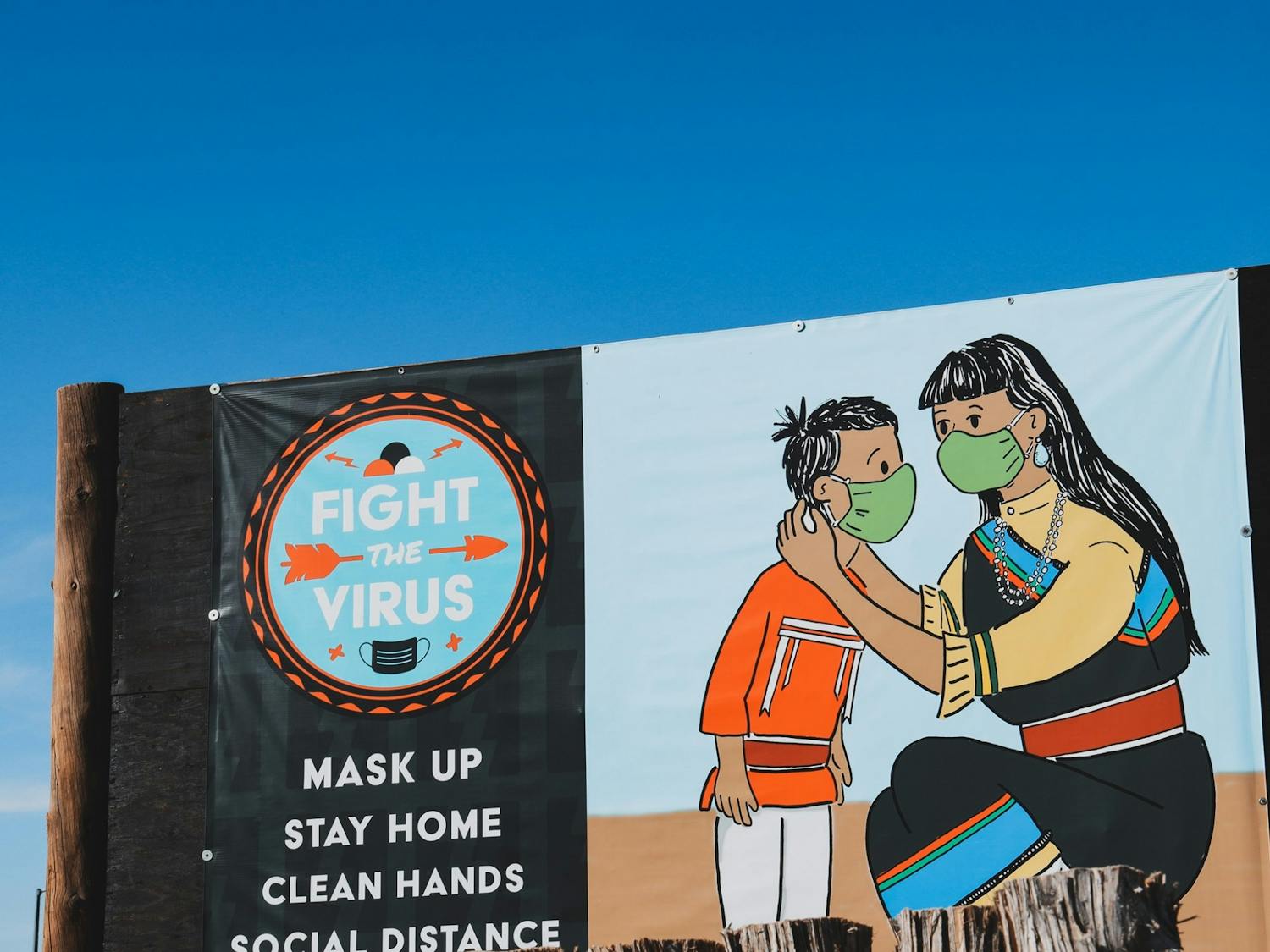
Maddie Pukite | February 3After years of grassroots organizing for paid sick leave, a state bill that would recognize those efforts and provide relief for working New Mexicans has yet to be heard in the House Labor, Veterans’ and Military Affairs Committee. House Bill 37 is a paid sick leave bill, co-sponsored by Democratic state representatives Angelica Rubio, G. Andrés Romero, Patricia Roybal Caballero and Linda Serrato. The bill would — upon passage — immediately require New Mexico businesses to provide their employees with paid time off due to illness. “This is a very familiar piece of policy for me and for people across the state who have been working to find some equity in a lot of the worker’s justice legislation that we have been trying to push for over the last few years,” Rubio said.
News
Police use of force accountability bill resurfaces at Roundhouse
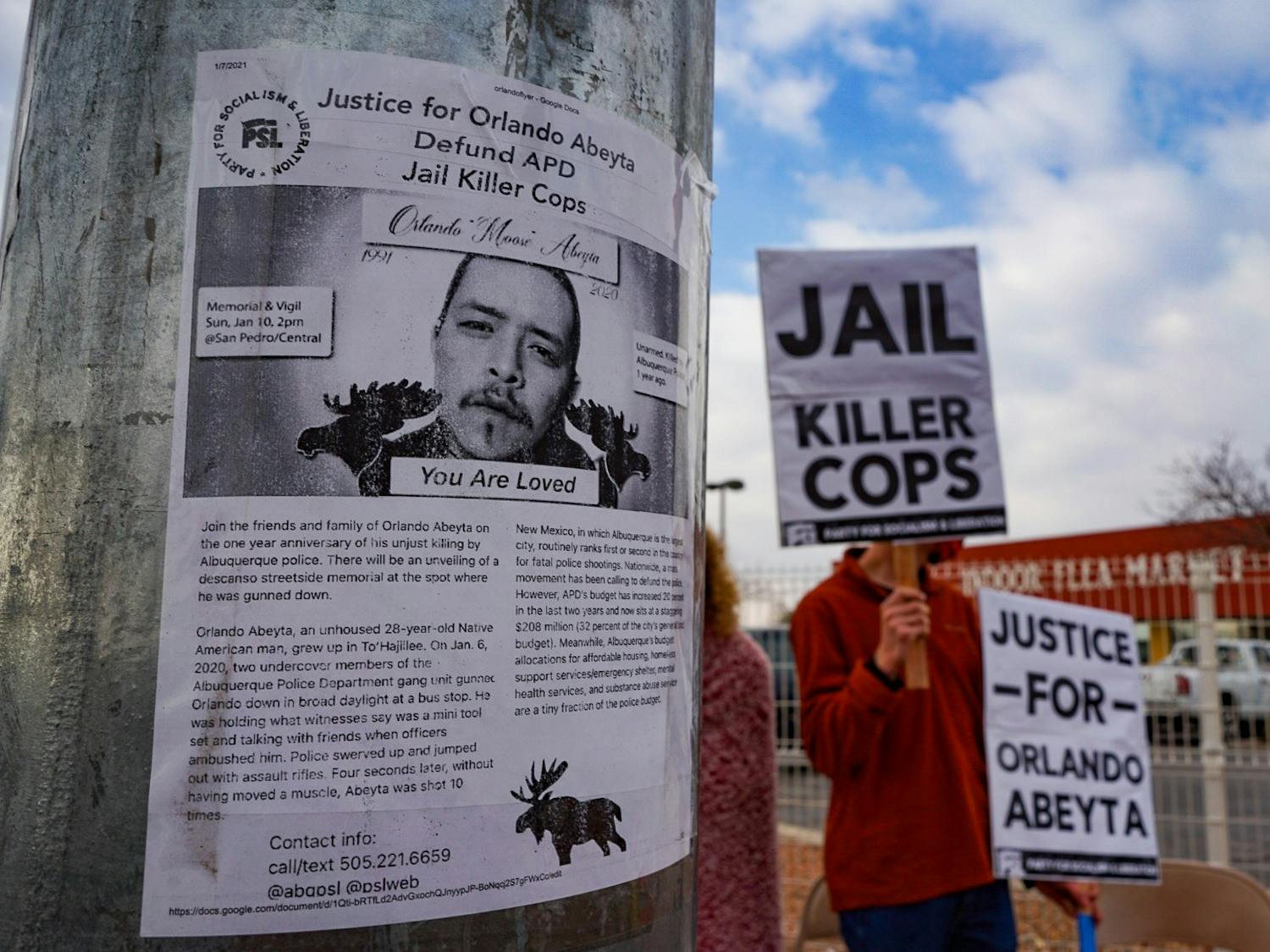
Gabriel Biadora | February 3As the 55th session of the New Mexico Legislature picks up steam, state lawmakers have introduced a number of police reform bills. One of note is the return of a bill that would provide reporting mechanisms to investigate police officers after their use of “deadly force” on an individual that leads to great bodily harm or death. Senate Bill 274, introduced on Feb. 1 by Sen. Antoinette Sedillo Lopez, aims to reform police accountability laws after a surge in public calls to reduce violent activity by law enforcement. There were 16 fatal police shootings in New Mexico in 2020, according to a database compiled by the Washington Post.
News
ASUNM senate elects new president pro tempore
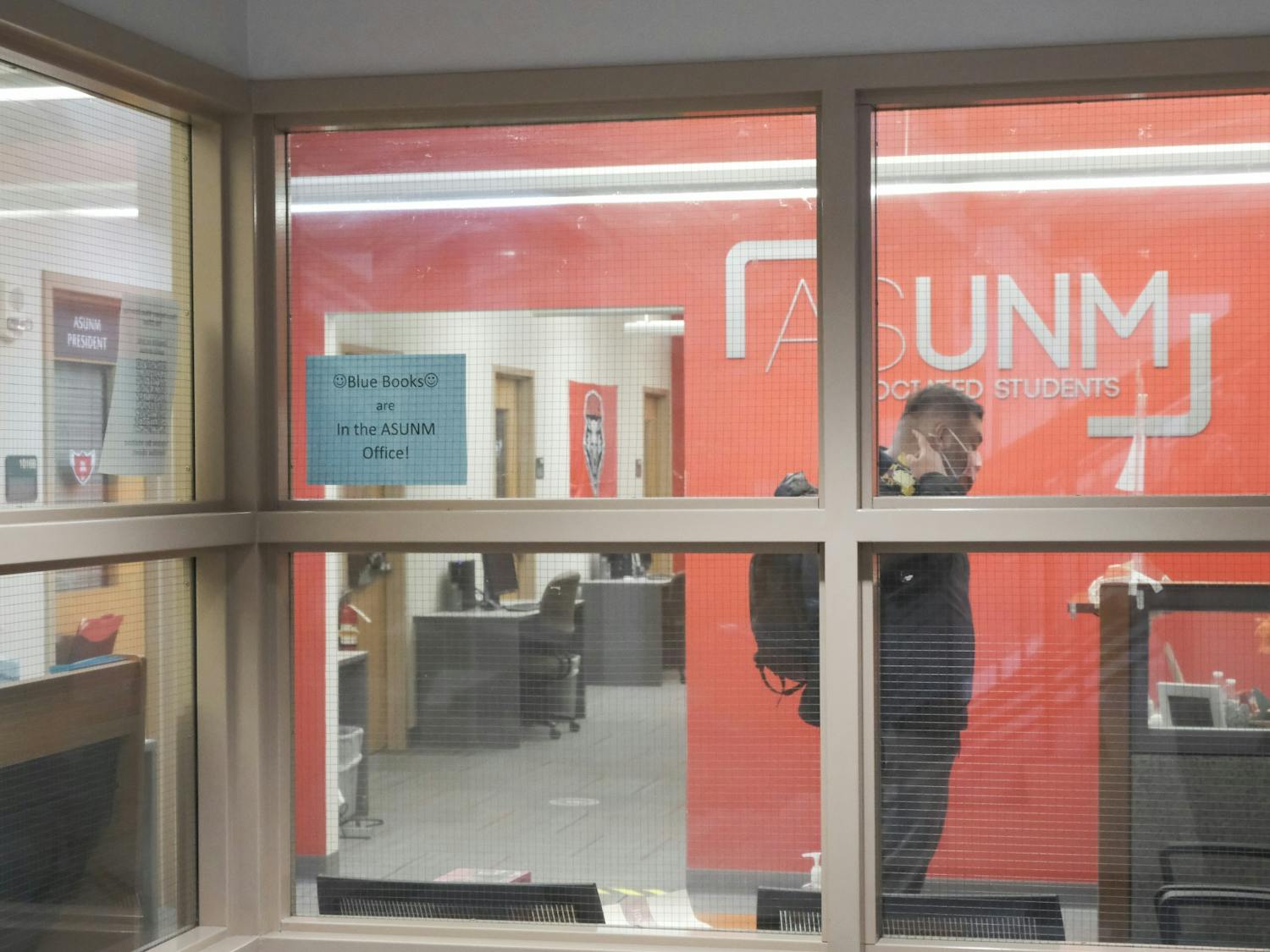
Hevyn Heckes | February 3The Associated Students of the University of New Mexico assembled on Zoom Wednesday, Jan. 27 to elect a new president pro tempore, ensure more transparency in proposed legislation and call for a more collegial relationship with the Daily Lobo. Raina Harper, a junior studying film and digital arts, was nominated for ASUNM president pro tempore by Finance Committee Chair Sarah Polsin. Polsin said she nominated Harper because “she’s such a well-rounded person” and “she knows what she’s doing.” Harper, the only nominee, was elected by a majority vote. Votes were conferred confidentially to Ryan Lindquist, the director of the Student Activities Center.
Sports
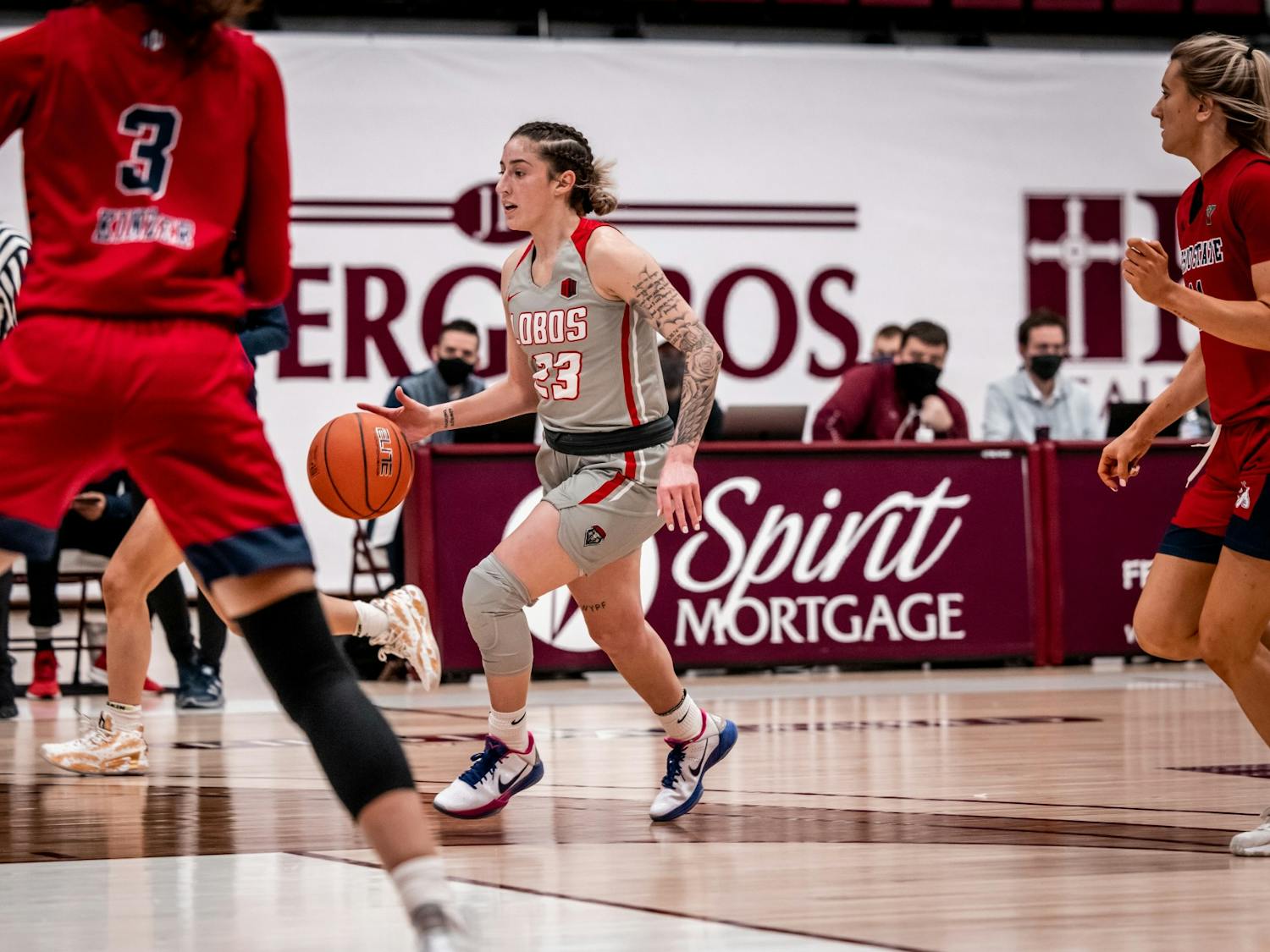
Late collapse leads to two-game split for Lobo women’s hoops
Jesus Mata | February 3The University of New Mexico women’s basketball team followed up last Thursday’s 82-80 win over Fresno State with a dud, splitting the two-game series with Saturday’s 91-69 loss. Third in the Mountain West Conference behind Colorado State and Fresno State, the team is now 7-2 on the season. The former matchup was a back and forth affair, coming down to the game’s final possession when junior forward Shaiquel McGruder drained the go-ahead basket with less than three seconds remaining. A steal by junior guard Ahlise Hurst on the ensuing inbound sealed the Lobos’ win.